

When working in the natural fragrance and chemical raw material industry, we at Linxingpinechem often encounter questions about various pine terpenes and their applications. Two compounds that frequently arise are delta 3 carene and alpha-pinene. These substances are naturally occurring in pine resins and essential oils, yet they have unique characteristics that determine how we and our customers use them. By exploring their chemical behavior, aroma profiles, and industrial applications, we aim to provide clear guidance for clients in the food, fragrance, and pharmaceutical sectors.
Chemical Characteristics and Molecular Behavior
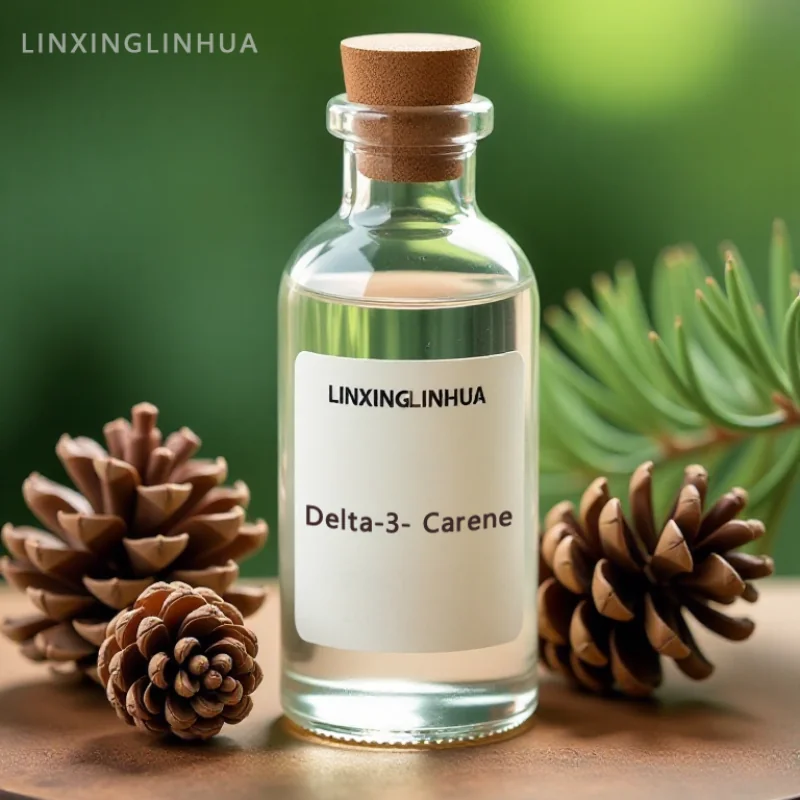
The first point of distinction between delta 3 carene and alpha-pinene lies in their molecular structure. Delta 3 carene is a bicyclic monoterpene with a slightly different ring formation compared to alpha-pinene, which results in variations in volatility and solubility. In our experience, this influences how these compounds react during formulation, particularly in fragrance blending and resin synthesis. Our team ensures that all batches of delta 3 carene meet consistent purity standards, providing the MSDS and other technical documentation to support safe handling and precise application. This focus on reliability allows downstream users to incorporate the terpene into their products with confidence, whether it is for pine fragrance formulations or as a functional raw material.
Aromatic Profile and Industrial Uses
Another significant difference lies in aroma and functional performance. Alpha-pinene is widely recognized for its sharp, fresh, resinous scent, making it suitable for general pine fragrance in cleaning agents, soaps, and aromatic compounds. In contrast, delta 3 carene delivers a slightly sweeter, more earthy aroma, which is particularly valued in high-end fragrance blends and as an intermediate in pharmaceutical and food-grade products. At Linxingpinechem, we supply delta 3 carene sourced from renewable, natural materials, allowing clients to use it either as an additive or as a precursor in complex syntheses. By understanding the nuanced differences in scent and reactivity, our clients can optimize formulations for consumer products while ensuring compatibility and safety.
Applications and Sustainable Sourcing
Beyond fragrance, both compounds serve industrial purposes. Alpha-pinene can participate in polymerization reactions, resin production, and even as a solvent in certain applications, while delta 3 carene is often employed in specialty chemicals, wood aroma products, and targeted pharmaceutical syntheses. We emphasize that sourcing and quality are critical: our delta 3 carene is produced under controlled conditions with rigorous testing to maintain purity and performance. This guarantees that whether the compound is used for pine fragrance or as a raw material in chemical production, it meets the exacting standards our clients expect.
Conclusion: Choosing the Right Pine Terpene
In conclusion, while delta 3 carene and alpha-pinene share a botanical origin, their differences in chemical structure, aroma profile, and industrial function are significant. At Linxingpinechem, we support our clients in selecting the right compound by providing detailed product information, technical support, and full-service tracking from procurement to application. Understanding these distinctions allows our customers in food, fragrance, and pharmaceutical industries to make informed decisions, ensuring that both performance and safety standards are met while utilizing naturally derived, high-quality raw materials.