

Navigating the procurement of raw materials for flavor, fragrance, and industrial applications requires a deep understanding of market volatility. For purchasing managers and formulators, fluctuating expenses can significantly alter production budgets and final retail pricing strategies. In the realm of pine chemicals, anticipating these shifts allows businesses to maintain stable operations and protect their profit margins over the long term.
At our facilities, we closely monitor the intricate balance of agricultural yield, technological advancement, and industrial demand that dictates global market rates. By understanding the core elements that drive the price of gum turpentine, our partners can make informed, strategic sourcing decisions rather than reacting defensively to sudden market changes. The landscape of chemical manufacturing is shifting, and transparency in how costs are structured helps build stronger business relationships.
The Agricultural Foundation: Resin Yields and Labor Dynamics
The foundation of this sector begins deep in the pine forests, where the collection of crude oleoresin sets the baseline for all subsequent processing costs. Unlike purely synthetic chemicals derived from petroleum, our raw materials are deeply tied to agricultural rhythms. The tapping process remains largely labor-intensive, relying on skilled workers to carefully extract resin from living trees without damaging the forest ecosystem. Consequently, regional labor availability and local wage standards play an outsized role in initial material pricing. As rural labor dynamics shift globally, the cost of harvesting naturally trends upward.
Furthermore, agricultural output remains highly sensitive to climatic conditions. Extended rainy seasons, unexpected droughts, or severe temperature fluctuations directly impact tree health and sap flow. A poor weather season can create supply bottlenecks before the raw material even reaches the processing plant. Operating out of the Baishi Industrial Development Zone in Guangdong Province, our operations are situated directly within major production areas. This strategic geographical location helps us mitigate some of these raw material acquisition hurdles through proximity and established local relationships, stabilizing the initial cost phase for our global client base.
Technological Innovations in Refining Processes
Once the crude resin is harvested and transported to the facility, the efficiency of the refining process becomes the next major cost determinant. Outdated facilities that rely on manual monitoring often face higher operational expenses due to energy inefficiencies and inconsistent batch yields. When energy consumption fluctuates, those costs inevitably pass down the supply chain. Conversely, upgrading to modern processing technology requires substantial capital investment upfront but ultimately stabilizes output and controls long-term operational expenditure.
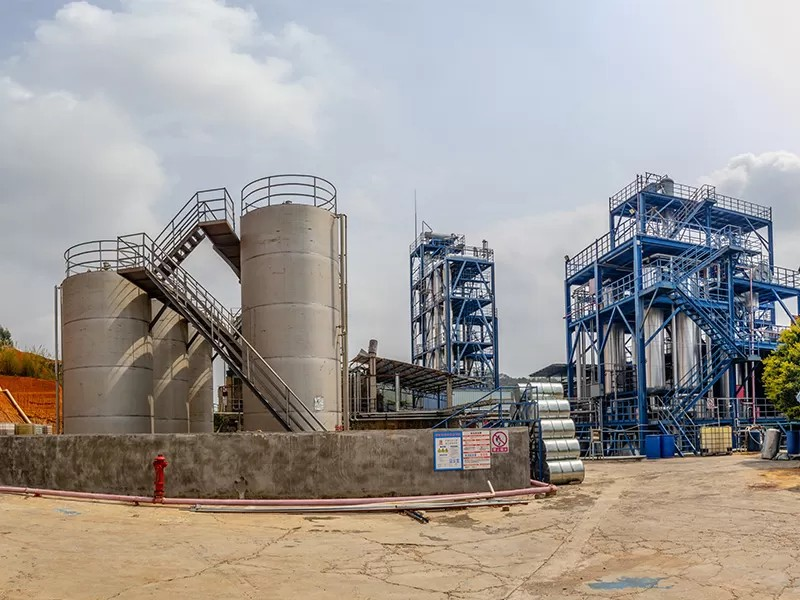
In our production environment, integrating fully automated PLC control systems into our lines has optimized our yield while minimizing waste. When isolating complex components like turpentine gum spirits, this level of precision control reduces the energy consumption required per metric ton. These technological advancements create a crucial buffer against rising utility costs. By investing in efficient infrastructure, modern facilities gain the ability to offer more competitive and reliable pricing structures, shielding clients from the severe price spikes often seen in less optimized manufacturing environments.
Navigating Quality Standards and Environmental Compliance
Another significant layer of cost influence stems from the stringent quality requirements and environmental regulations governing modern chemical manufacturing. Producing high-grade solvents and aromatic intermediates means adhering to tight technical specifications, such as specific refractive indices, exact purity percentages verified by gas chromatography, and precise relative densities. Achieving this consistency batch after batch requires rigorous quality assurance protocols, advanced laboratory testing equipment, and continuous facility maintenance.
Beyond product quality, responsible manufacturers invest heavily in environmental protection systems to manage effluent and emissions safely. Regulatory landscapes are tightening globally, meaning that compliance is no longer optional but a core operational cost. While these environmental and quality measures require ongoing financial commitment, they yield a superior, safer product. For the end-user, sourcing from compliant facilities prevents costly formulation failures, product recalls, or regulatory penalties down the line, making the initial investment in high-quality materials a sound financial decision.
Supply Chain Logistics and Sector-Specific Impacts
Beyond the factory gates, global supply chain dynamics exert considerable pressure on final delivered costs. The transportation of organic solvents involves specialized packaging, such as robust galvanized iron barrels, to prevent oxidation, contamination, and moisture ingress during transit. Fluctuations in raw steel prices can therefore indirectly affect the cost of the packaging materials. Additionally, ocean freight rates, fuel surcharges, and port handling fees remain highly variable depending on global economic conditions.
Different industries absorb these logistical costs in unique ways. The flavor and fragrance sector, which often requires highly refined, specialized isolates, might view transportation costs as a smaller percentage of the overall material value. In contrast, industrial sectors utilizing larger bulk volumes for paints, coatings, or mining flotation agents are highly sensitive to freight fluctuations. Navigating these logistical complexities requires robust planning and reliable transport partnerships to prevent shipping delays from artificially inflating the cost of goods sold.
Forging a Resilient Procurement Strategy
Strategic procurement in the chemical sector goes beyond simply finding the lowest immediate price point on a spreadsheet; it involves securing a resilient supply chain capable of weathering external disruptions. By analyzing the interplay between agricultural yields, processing technology, and global logistics, sourcing teams can better forecast their material expenditures and plan their production cycles accordingly.
Since our founding in 1998, our team has focused on balancing these variables through continuous technological investment and strategic location management. We recognize that our business partners rely on us not just for raw materials, but for market stability. When your formulation team needs a dependable foundation for paints, fragrances, or pharmaceutical intermediates, partnering with Linxingpinechem provides a pathway to long-term production stability. Understanding these market drivers empowers product managers to build more resilient manufacturing strategies, keeping their finished goods competitive in an ever-changing global marketplace.