

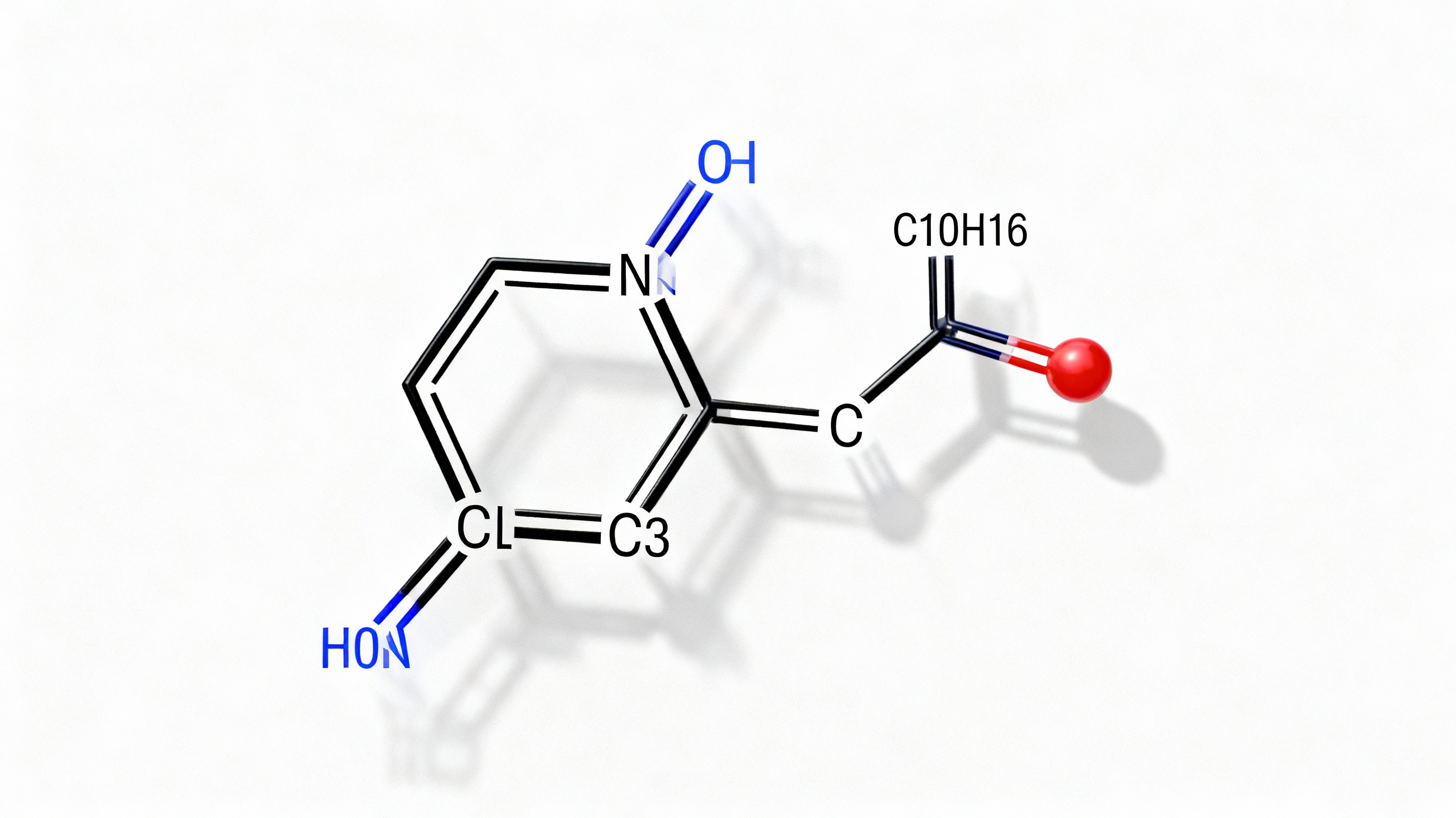
Delta-3-Carene is a bicyclic monoterpene (C10H16) characterized by a specific double bond at the delta-3 position. This structural feature dictates its reactivity, density, and distinct aroma profile, making it a critical component for industrial manufacturers. For chemical engineers and B2B purchasers, understanding the nuances of delta 3 carene is essential for optimizing supply chains and ensuring product consistency. From controlling oxidation during storage to managing thermal variables during synthesis, mastering these stability profiles allows formulators to produce high-quality chemical intermediates. This guide examines the technical specifications and processing requirements necessary for leveraging this terpene effectively.
Controlling Stability and Processing Parameters
Manufacturers must rigorously manage environmental variables to maintain the structural integrity of the C10H16 framework, specifically preventing polymerization and oxidative degradation during bulk processing.
Managing Thermal Polymerization
The bicyclic structure of Delta-3-Carene, with a molecular weight of 136.23 g/mol, exhibits sensitivity to elevated temperatures. Historical processing data indicates that prolonged exposure to temperatures exceeding 140°C can initiate rapid polymerization, leading to the formation of unwanted high-molecular-weight byproducts. To mitigate this, industrial distillation protocols typically utilize vacuum systems operating between 10 and 50 mbar. By lowering the boiling point effectively, engineers can purify the compound without inducing thermal stress. Implementing these pressure controls ensures the retention of the monomeric form, which is vital for downstream applications requiring high purity.
Mitigating Oxidative Degradation
Storage stability is a primary concern for bulk purchasers due to the terpene’s susceptibility to autoxidation. When exposed to atmospheric oxygen, the double bond at the C3-C4 position becomes a reactive site for peroxide formation. Quality assurance standards generally require Peroxide Values (POV) to remain strictly < 10 meq/kg. To achieve this, facilities employ inert nitrogen gas displacement techniques to blanket storage vessels. Furthermore, maintaining a neutral pH environment (6.5 – 8.0) is crucial; acidic conditions can trigger acid-catalyzed isomerization, converting the valuable Delta-3-Carene into less desirable isomers like terpinolene, thereby altering the chemical profile.
Industrial Utility and Olfactory Engineering
Beyond its chemical properties, this terpene serves as a versatile backbone for delta 3 carene uses in fragrance formulation and advanced chemical synthesis, offering unique functional benefits.
Formulating “Good Scents” and Fragrances
In the fragrance industry, creating delta 3 carene good scents relies on its sweet, pungent, and woody olfactory characteristics. Unlike the sharper notes of Alpha-Pinene, Delta-3-Carene offers a dryer, more resinous pine fragrance profile that adds depth to consumer products. Perfumers utilize this molecule to anchor citrus and fir oil blends, enhancing longevity and diffusion. Formulation data suggests that incorporating specific ratios of this terpene can modulate the volatility of top notes, providing a sustained sensory experience in air fresheners and industrial cleaners without the harshness associated with synthetic alternatives.
Chemical Synthesis and Intermediates
The delta 3 carene benefits extend significantly into the agrochemical and pharmaceutical sectors. Acting as a chiral building block, it is frequently employed in the synthesis of pyrethroids for pest control applications. Its bicyclic skeleton allows for ring-opening reactions that yield valuable derivatives used in fine chemicals. Furthermore, delta 3 carene terpene effects are studied for their solvent properties, where high solvency power combined with a renewable profile makes it an attractive alternative to petroleum-based solvents in degreasers and paint strippers, aligning with green chemistry initiatives.
Linxingpinechem Technical Specifications and Supply
Linxingpinechem specializes in the bulk production and supply of high-purity terpenes, ensuring strict adherence to physical metrics and stability standards for demanding industrial applications.
Premium Quality Assurance
The Delta-3-Carene supplied by Linxingpinechem is manufactured to meet rigorous technical benchmarks necessary for sophisticated formulation. The product features a precise Relative Density (d20/4) typically ranging between 0.860 and 0.868, ensuring consistency in volumetric dosing. Visual inspection confirms a colorless to pale yellow liquid appearance, free from suspended particulate matter. By controlling the refractive index and optical rotation within tight tolerances, Linxingpinechem guarantees that the material performs predictably in complex reactions. These stringent quality controls minimize the risk of batch-to-batch variation, which is critical for clients manufacturing sensitive fragrances or pharmaceutical intermediates.
B2B Supply Chain Reliability
Understanding the needs of industrial formulators, Linxingpinechem emphasizes robust packaging and logistics solutions. The material is handled under climate-controlled conditions, ideally between 15°C and 25°C, to prevent thermal degradation during transit. Available in standardized industrial packaging such as galvanized iron drums or ISO tanks, the supply chain is optimized for large-scale integration. By prioritizing purity and logistical integrity, Linxingpinechem supports manufacturers in maintaining continuous production lines and achieving superior end-product quality.