

Delta-3-carene is a bicyclic monoterpene that serves as a cornerstone in the creation of sophisticated woody and herbal fragrances. Sourced primarily from rectified oil of turpentine, this compound offers perfumers a unique structural bridge between the sharp volatility of top notes and the resinous tenacity of heart notes. For industrial chemists and senior perfumers, understanding delta 3 carene benefits goes beyond its aroma; its stability and solubility profiles make it an essential solvent and precursor in large-scale synthesis. By mastering delta 3 carene uses, formulators can engineer scents that possess both natural vibrancy and functional longevity.
Deconstructing the Olfactory Profile and Scent Dynamics
Delta-3-carene is distinguished by its sweet, penetrating, and diffusive character, often described as a complex interplay between coniferous freshness and dry woody undertones. Its odor profile is critical for adding “lift” to heavy resinous accords without introducing the harshness sometimes associated with lower-grade terpenes.
The Pine-Cedar Dual Character
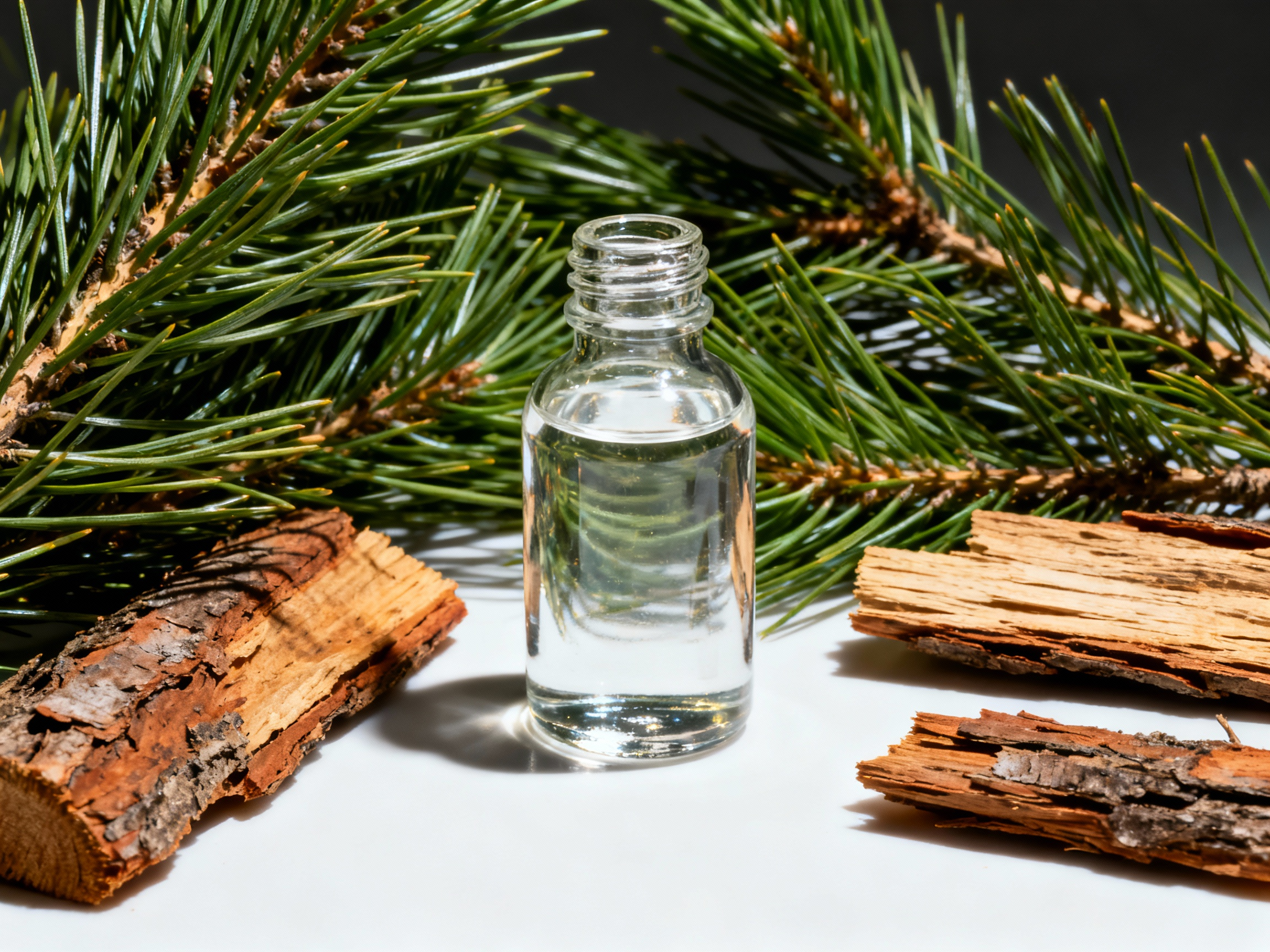
The olfactory signature of delta-3-carene is defined by a distinct duality. Upon initial evaporation, it releases a sweet, pungent pine note that is significantly smoother than alpha-pinene. This top note provides an immediate “forest-fresh” effect, which is highly sought after in functional perfumery and air care products. As the molecule transitions into the heart phase, the scent profile shifts towards a drier, cedarwood-like nuance. This “dry down” effect allows the terpene to act as a fixative bridge, anchoring lighter citrus notes to heavier base materials like patchouli or vetiver. Perfumers utilize this dual character to create “green” accords that retain their freshness over time, avoiding the rapid olfactory fatigue often caused by more volatile monoterpenes.
Comparative Nuances Against Other Pinenes
In technical evaluations, delta-3-carene demonstrates superior diffusion properties compared to its structural isomers. While alpha-pinene offers a sharp, turpentine-like attack, delta-3-carene presents a more balsamic and herbal quality, often reminiscent of lemon zest and refined limonene. When compared to beta-pinene, which leans towards a green, earthy profile, delta-3-carene provides a sweeter, more resinous warmth. This specific delta 3 carene terpene effect makes it the preferred choice for formulating “Fougère” and “Chypre” fragrances, where a balance between sweet top notes and mossy base notes is required. Its specific gravity of roughly 0.860 aids in its miscibility with other essential oils, allowing for seamless integration into complex hydrophobic matrices.
Strategic Formulation and Industrial Applications
Beyond its scent, the chemical architecture of delta-3-carene offers functional advantages in stability and solvency. Its application extends from fine fragrances to industrial masking agents, where its high purity ensures consistent performance across various pH environments and temperatures.
Enhancing Fragrance Accords and Stability
In formulation, delta-3-carene is valued for its ability to extend the volatility curve of citrus and woody accords. It effectively masks the chemical sharpness of synthetic solvents, providing a natural “rounding” effect to industrial formulations. For example, in air fresheners and candles, the molecule’s high oxidation resistance—relative to other terpenes—helps maintain olfactory fidelity even under thermal stress. Industrial formulation scientists leverage this stability to create long-lasting “pine forest” scents that do not degrade into off-notes. Furthermore, its lipophilic nature ensures excellent compatibility with wax and oil bases, preventing phase separation in final consumer products.
Synthesis and Functional Versatility
The delta 3 carene benefits extend into chemical synthesis, where it acts as a vital precursor. It is frequently isomerized to produce high-value aroma chemicals such as L-menthol and carvone, which are staples in the flavor and fragrance market. In the production of terpene resins, delta-3-carene is polymerized to create tackifiers used in adhesives and coatings. This versatility allows procurement directors to consolidate raw material sourcing; a single high-purity stream of delta-3-carene can serve multiple production lines, from fine perfumery to functional industrial solvents. Its role as a bio-based solvent also positions it as a sustainable alternative to petroleum distillates in degreasing formulations.
High-Purity Delta-3-Carene by Linxingpinechem
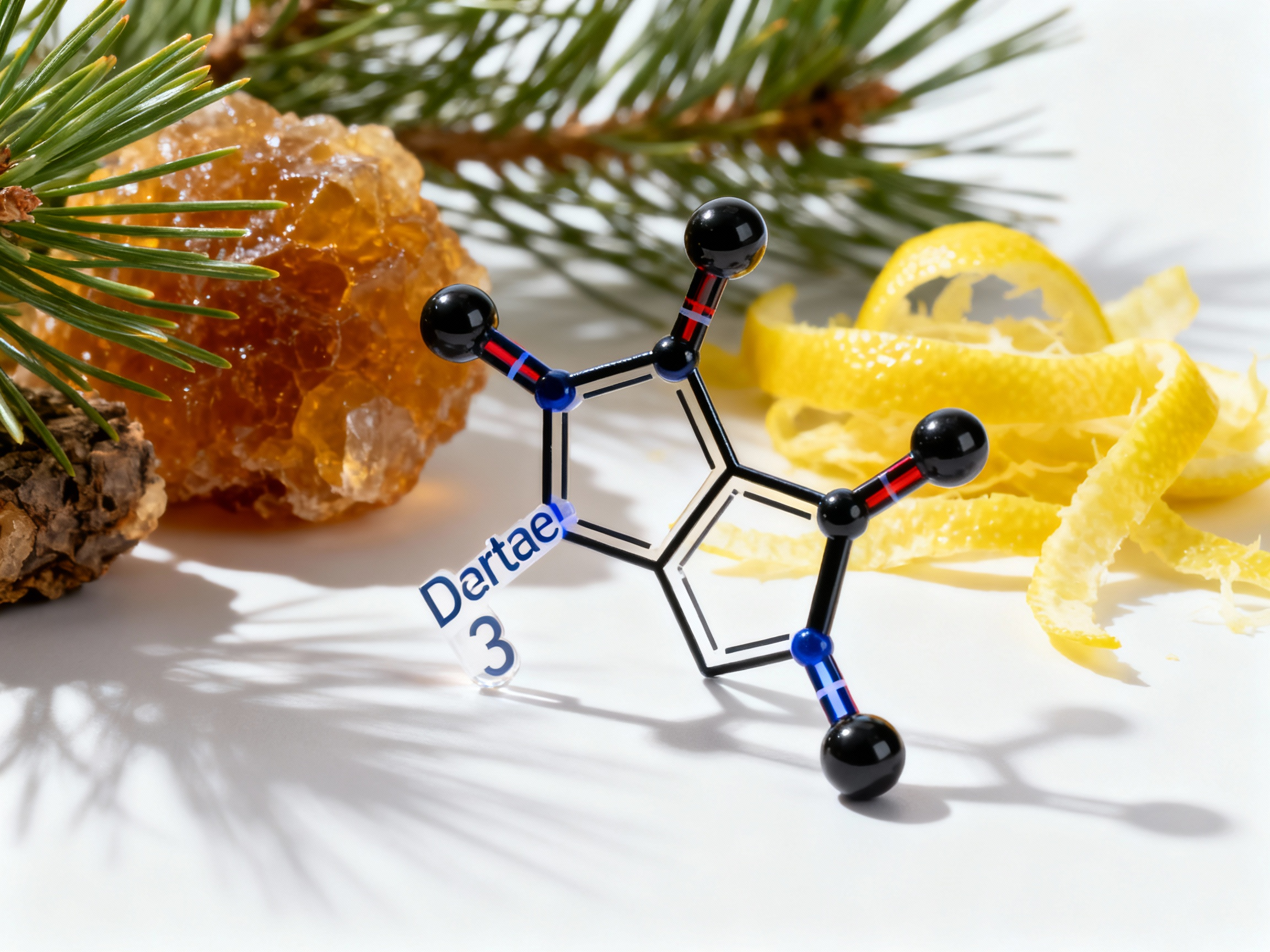
Linxingpinechem provides a premium grade of Delta-3-Carene designed to meet the rigorous standards of the global flavor and fragrance industry. Extracted using advanced fractionation techniques, this product captures the vibrant, pine-like essence of the forest while ensuring low impurity levels that are critical for sensitive formulations.
Key Technical Specifications:
Purity (GC): ≥ 95%
Appearance: Colorless and transparent liquid
Specific Gravity (D20/4): 0.855 – 0.865
Refractive Index (N20): 1.4640 – 1.4680
Flash Point: 45°C
CAS Number: 13466-78-9
Linxingpinechem ensures that every batch maintains consistent olfactory characteristics, eliminating the batch-to-batch variation often found in raw gum turpentine derivatives. This high-purity profile makes it an ideal raw material for synthetic flavoring, cosmetic fragrances, and aromatherapy products where clarity and aroma integrity are paramount. Whether used as a direct fragrance ingredient or a chemical intermediate, Linxingpinechem’s Delta-3-Carene delivers the reliability required for modern industrial applications.