

Does the absence of taste interaction strictly distinguish fragrance compounds from flavor chemistry? Yes, this is the definitive scientific boundary. Aroma chemicals are engineered solely to stimulate the olfactory bulb via nasal inhalation, whereas flavor chemistry utilizes molecules that must trigger both the olfactory system (via retronasal pathways) and gustatory receptors on the tongue. For procurement managers and formulation scientists, distinguishing these categories is critical, as it dictates raw material purity grades, regulatory compliance, and sourcing strategies. This guide breaks down the physiological, chemical, and supply chain distinctions to ensure precise ingredient application.
Defining the Boundaries: Sensory Physiology and Regulatory Standards
To navigate the complex aroma chemicals market, professionals must understand the physiological mechanisms of scent versus taste and the corresponding regulatory frameworks that govern safety and usage.
The Physiological Split: Olfaction vs. Gustation
The primary distinction lies in the delivery pathway. Fragrance compounds rely on orthonasal olfaction, where volatile molecules enter through the nostrils and bind directly to receptors in the olfactory epithelium. The “scent” is processed without any input from the tongue’s taste buds. Conversely, flavor chemistry depends on the multimodal integration of retronasal olfaction—where aroma chemical vapors travel from the back of the mouth to the nasal cavity during mastication—and true gustation (sweet, sour, salt, bitter, umami).
For example, an aroma chemical formula like L-Carvone provides a spearmint scent suitable for toothpaste (flavor) and soap (fragrance), but its application differs. In flavors, the molecule must be compatible with the trigeminal nerve response (cooling effect) and safe for ingestion. In perfumery, the focus is purely on the volatility rate and how the molecule interacts with other notes in the air. This physiological gap explains why a “strawberry” fragrance oil may smell authentic but taste like bitter chemical solvent if ingested—it lacks the non-volatile sugars and acids required for a complete flavor profile.

Regulatory Divergence: IFRA vs. FEMA
Procurement directors often search for an aroma chemicals list pdf to verify compliance, but the governing bodies differ sharply. Aroma chemicals for perfume are regulated by the International Fragrance Association (IFRA). IFRA standards strictly limit compounds based on dermal sensitization, phototoxicity, and environmental toxicity. For instance, certain citrus derivatives are restricted in leave-on skin products due to UV reactivity.
In contrast, flavor ingredients must adhere to the Flavor and Extract Manufacturers Association (FEMA) GRAS (Generally Recognized As Safe) standards in the US or similar food safety authorities globally. A molecule like Vanillin is used in both sectors, but the “Flavor Grade” demands lower heavy metal limits (often <10 ppm) and stricter solvent residue controls compared to “Technical Grade” or “Fragrance Grade.” Confusing these grades can lead to severe regulatory violations and safety hazards.
Pioneering Green Chemistry with Linxingpinechem
As a specialized fragrance chemicals supplier, Linxingpinechem leverages advanced green chemistry to convert renewable pine resources into high-purity ingredients, meeting the rigorous demands of the modern aroma industry.
Leveraging Pine-Derived Feedstocks
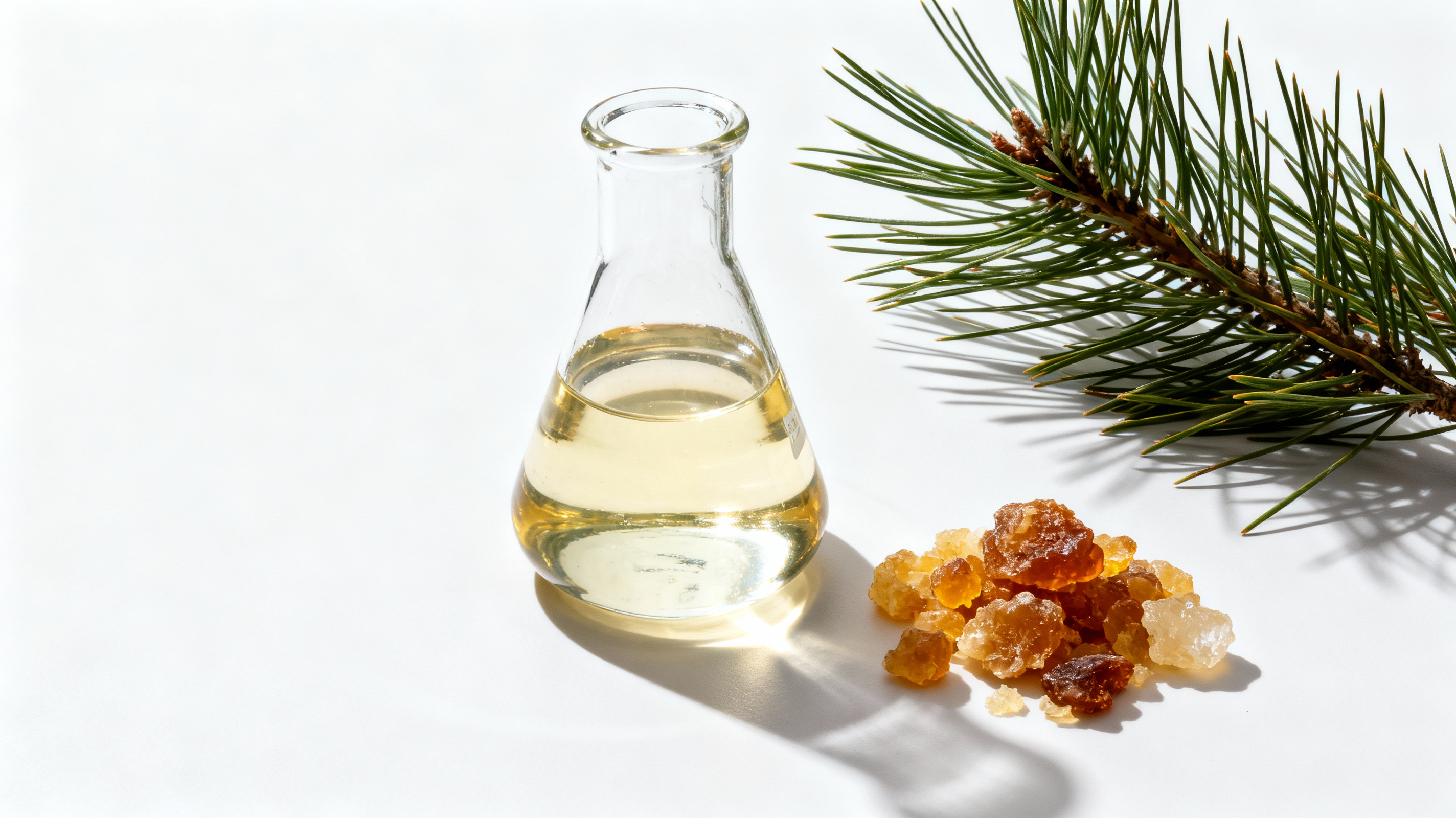
The industry is rapidly shifting from petrochemicals to bio-based alternatives. Linxingpinechem utilizes deep processing of pine oleoresin and turpentine oil to synthesize diverse terpene derivatives. By focusing on renewable forestry resources, the company reduces carbon footprints while ensuring a consistent supply of key structural ingredients. This approach aligns with the growing demand for “natural” and “nature-identical” claims in both the personal care and household sectors. The synthesis processes are designed to maximize yield and purity, minimizing waste through efficient cycling of by-products.
Portfolio Highlights: Terpenes and Acetates
Linxingpinechem offers a robust catalog of aroma chemicals characterized by high stereochemical purity and stability. Key products include:
Terpineol: A staple in perfumery known for its pleasant lilac odor, widely used in soaps and cosmetics due to its stability against alkali.
Dihydroterpineol: Valued for its powerful floral-pine scent and excellent stability in low pH environments, making it ideal for household cleaners.
Alpha & Beta Pinene: High-purity isolates that serve as versatile building blocks for synthesizing complex aroma molecules.
Conclusion
While the molecular structures of scents and tastes often overlap, the rigorous demands of taste interaction, purity standards, and regulatory frameworks create a clear divide between fragrance and flavor chemistry. By partnering with Linxingpinechem, manufacturers secure access to sustainable, high-performance ingredients that adhere to strict safety and quality protocols, ensuring success in a competitive global market.