

Gum turpentine, utilized primarily for its high alpha-pinene concentration, functions as the essential alkylating agent when reacted with phenol under acidic catalysis to synthesize terpene phenolic resins. This bio-based chemical modification results in resins that provide superior specific adhesion, thermal stability, and compatibility with polar polymers compared to aliphatic hydrocarbon alternatives. For industrial formulators seeking consistent reaction kinetics, gum turpentine serves as the foundational feedstock that determines the final molecular weight distribution and softening point of the adhesive resin. Leading suppliers like Linxingpinechem ensure the purity required for these sensitive polymerization processes.
Synthesis Protocols Utilizing Pure Gum Spirit Turpentine
Achieving optimal resin properties requires precise control over the alkylation and polymerization stages. Formulators must balance the ratio of pure gum spirit turpentine to phenol to dictate the degree of substitution and final resin polarity.
The Friedel-Crafts Alkylation Reaction Phase
The synthesis begins with the Friedel-Crafts alkylation, where the terpene acts as the alkylating agent for phenol. In this phase, Lewis acid catalysts, such as Boron Trifluoride (BF₃) complexes, are employed to facilitate the attack of the terpene carbocation onto the aromatic ring. The high concentration of alpha-pinene in turpentine gum is critical here; its reactive double bond opens to form a stable carbocation, typically alkylating the phenol at the para or ortho positions. Historical production data indicates that maintaining a stoichiometric excess of terpene prevents the formation of brittle, low-molecular-weight species. Precise temperature control is mandatory, as the reaction is highly exothermic. Deviations of just 5°C can lead to catalyst deactivation or the formation of unwanted terpene dimers, which reduce the softening point of the final resin.

Polymerization and Condensation Dynamics
Following alkylation, the reaction mixture undergoes polymerization to build molecular weight. Process engineers must adjust the reaction time to achieve the target Softening Point (SP), typically ranging between 90°C and 145°C for high-performance grades. During this stage, the removal of unreacted volatiles is essential. While some niche markets discuss gum spirits of turpentine for health applications, industrial synthesis demands total removal of residual solvents to meet low-VOC standards. The polymerization dynamics are heavily influenced by the initial isomer ratio; a higher beta-pinene content in the feed can accelerate the reaction rate but may broaden the molecular weight distribution (polydispersity), affecting the melt viscosity of the final product.
Industrial Applications of Pine Turpentine Derivatives
Terpene phenolic resins derived from pine turpentine offer a unique combination of tack and heat resistance. These resins bridge the gap between aliphatic tackifiers and polar substrates, solving complex bonding challenges.
High-Performance Pressure Sensitive Adhesives (PSA)
In the realm of Pressure Sensitive Adhesives (PSA), terpene phenolics are valued for their specific adhesion to difficult surfaces. Unlike standard C5 resins, the hydroxyl functionality introduced by the phenol group allows for hydrogen bonding with polar substrates like glass, metals, and recycled cardboard. For instance, in packaging tapes designed for high-humidity environments, formulations incorporating turpentine-based resins show a 20% improvement in shear resistance compared to pure hydrocarbon alternatives. The resins also exhibit excellent compatibility with acrylics and styrenic block copolymers (SIS/SBS), allowing formulators to tune the glass transition temperature (Tg) for optimal tack and peel strength without sacrificing cohesive integrity.
Hot Melt Adhesive (HMA) Systems
For Hot Melt Adhesives (HMA), particularly in woodworking and assembly, thermal stability is paramount. Resins synthesized from high-purity georgia pine gum spirits of turpentine or equivalent international grades provide superior Shear Adhesion Failure Temperature (SAFT) performance. This ensures that bonds remain secure even under elevated temperatures during transport or end-use. Furthermore, these bio-based resins improve the “open time” of the adhesive—the window available for bonding after application—which is critical for automated packaging lines. Case studies in the furniture industry demonstrate that replacing rosin esters with terpene phenolics significantly reduces bond failure rates in edge-banding applications exposed to thermal cycling.
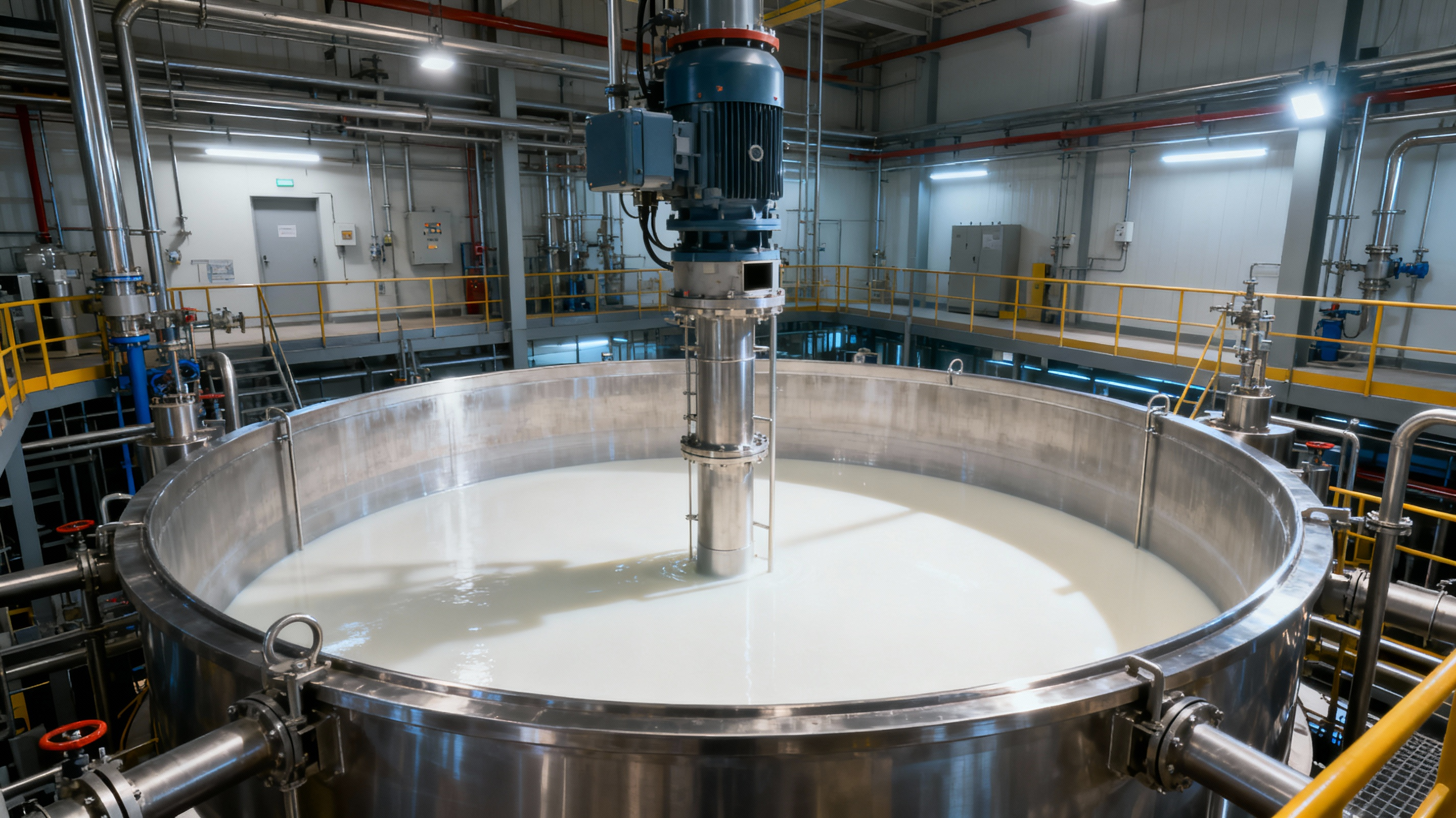
Premium Gum Turpentine Supply from Linxingpinechem
Linxingpinechem (Linxingpinechem) has established itself as a premier manufacturer of pine chemical derivatives since 1998, offering industrial-grade gum turpentine that meets rigorous synthesis requirements.
Integrated Production and High-Purity Specifications
Located in Yunfu, Linxingpinechem operates an integrated production facility with an annual capacity of over 2,000 tons for alpha and beta-pinene derivatives. Their gum turpentine is characterized by its colorless, transparent appearance and absence of suspended impurities, ensuring it serves as a reliable feedstock for resin synthesis. The product is meticulously packed in 180kg galvanized iron drums to prevent oxidation and contamination during transit. By controlling the entire supply chain—from crude gum collection to distillation—Linxingpinechem mitigates the seasonal fluctuations common in the pine chemicals market, providing stable pricing and consistent quality for global resin manufacturers.
Conclusion
Whether for advanced adhesives or coating formulations, the purity of the starting material dictates performance. Contact the Linxingpinechem technical engineering team today to discuss your specific resin parameter requirements or to request a Certificate of Analysis for our industrial-grade turpentine.