

Gum turpentine serves as the fundamental alkylating agent in the synthesis of terpene phenolic resins, acting as the chemical backbone for high-performance adhesives. By providing the alpha-pinene and beta-pinene necessary to react with phenol, this natural extract facilitates the creation of a rigid, hydrophobic molecular structure. This structure is essential for granting the final resin exceptionally high softening points and superior light color stability, properties that are critical for formulators of hot-melt and pressure-sensitive adhesives.
The Critical Function of Gum Turpentine in Resin Polymerization
Gum turpentine provides essential alpha-pinene for creating electrophilic intermediates that drive phenolic alkylation. This process determines the resin’s final molecular weight and softening point stability, directly influencing the adhesive’s thermal resistance and shear strength.
Alkylation Mechanisms and Molecular Control
The synthesis of terpene phenolic resins relies heavily on the quality of gum turpentine to initiate the alkylation reaction. When processed with a Lewis acid catalyst, the natural terpenes within the turpentine—specifically alpha-pinene—undergo isomerization to form electrophilic terpene carbocation intermediates. These cations then attack the phenol ring, predominantly at the ortho and para positions. The purity of the pure gum spirit turpentine is the deciding factor in this phase; high-purity pinene ensures a consistent reaction rate, preventing the formation of low-molecular-weight oligomers that can degrade the resin’s glass transition temperature (Tg).
Industrial data suggests that maintaining a precise molar ratio between the terpene and phenol is critical. A deviation of just 5% in the terpene feed can alter the polydispersity index (PDI), leading to resins with inconsistent softening points. Formulators must rely on turpentine gum with verified pinene content to ensure that the molecular weight distribution remains narrow, which translates to stable viscosity in hot-melt applications.
Industrial Processing and Catalyst Dynamics
The transformation of georgia pine gum spirits of turpentine or similar high-grade pine spirits into phenolic resins involves managing significant exothermic energy. The addition of terpenes to phenol is highly exothermic, requiring advanced cooling systems to maintain reaction temperatures typically between 40°C and 60°C during the initial stage. Lewis acid catalysts, such as boron trifluoride (BF3) complexes or aluminum chloride, are employed to accelerate this addition.
Effective processing also demands rigorous removal of unreacted volatiles. Vacuum distillation is used to strip away residual solvent and low-boiling terpenes, ensuring the final resin achieves a high softening point (often exceeding 145°C) without the plasticizing effect of residual oils. The inert nature of the processing environment protects the resin from oxidation, preserving the light color essential for clear adhesive applications.
Linxingpinechem Gum Turpentine: Premium Specifications and Adhesive Applications
Leveraging a strategic location in China’s prime pine forests, Linxingpinechem delivers “Super Grade” gum turpentine optimized for high-performance adhesive formulations requiring superior tack and thermal resistance.
Enhancing Adhesive Performance via Purity
The application of high-quality gum spirits of turpentine for health-conscious and industrial sectors alike has evolved, but its role in adhesives remains paramount. Resins derived from Linxingpinechem gum turpentine exhibit superior compatibility with ethylene-vinyl acetate (EVA) and block copolymer matrices. The rigid bicyclic pinene skeleton inherited from the turpentine contributes to a higher glass transition temperature (Tg), which improves the shear strength and heat resistance of the final adhesive bond.
Furthermore, the “Super Grade” classification ensures minimal chromophore formation. In pressure-sensitive adhesives (PSA), where optical clarity is often required, the use of Linxingpinechem raw materials minimizes yellowing. Comparative analysis shows that resins produced with high-purity gum turpentine retain a Gardner Color scale value of less than 3 even after prolonged thermal exposure, whereas lower-grade alternatives often darken significantly due to oxidation of impurities.
Manufacturing Excellence and Supply Stability
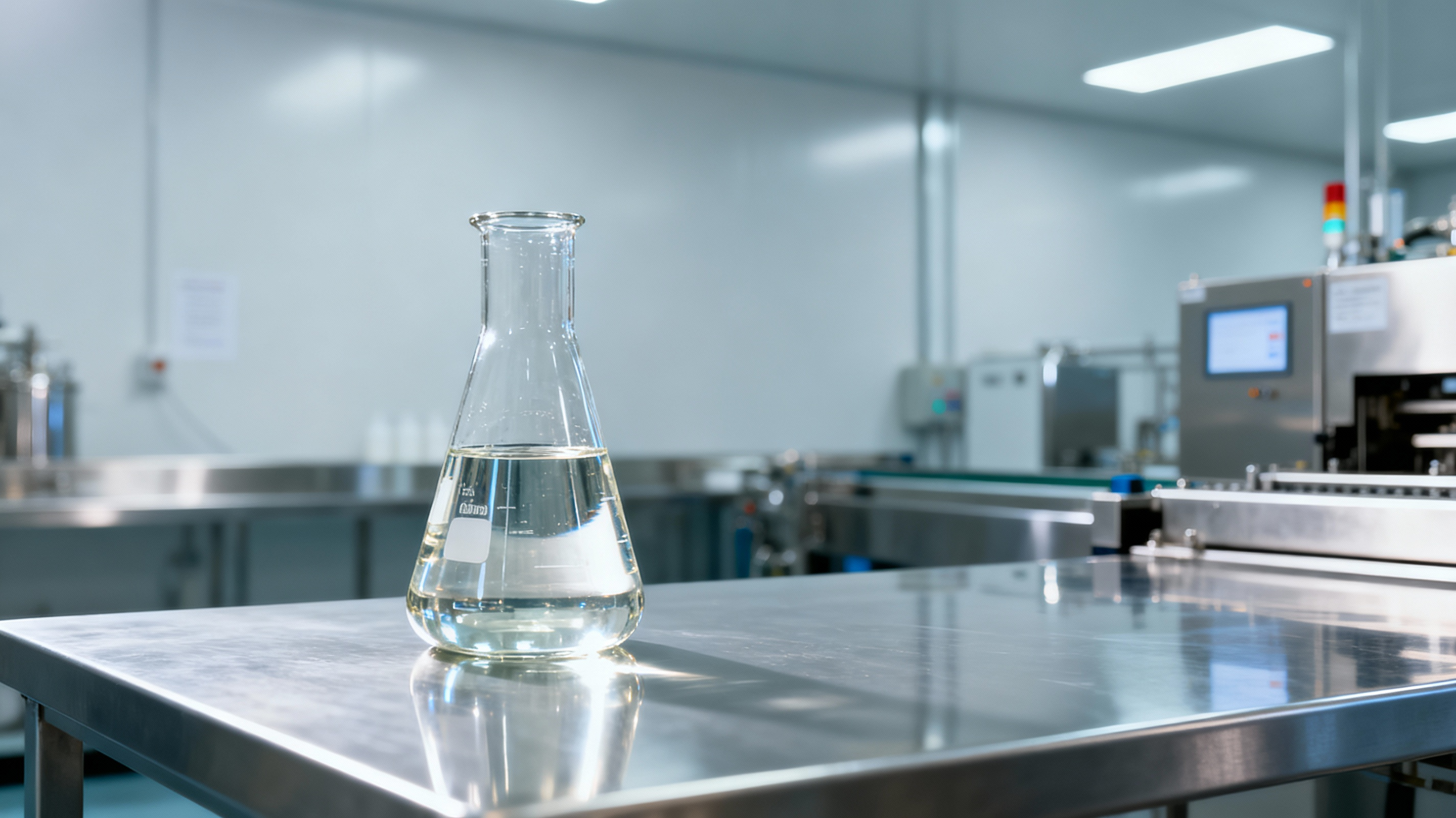
Linxingpinechem has established itself as a premier manufacturer by integrating modern control systems with abundant natural resources. Located in the Baishi Industrial Development Zone of Guangdong Province, the company benefits from direct access to raw pine gum, ensuring a stable and uninterrupted supply chain. The facility operates a fully automated PLC control system, boasting a production capacity of 3,000 tons per year for gum turpentine and deep-processed products.
Product Specifications:
Product Name: Gum Turpentine (Super Grade)
CAS Number: 8006-64-2
Appearance: Colorless transparent oily liquid, free from water and suspended matter.
Packaging: 53-gallon galvanized iron drums (Net Weight: 180kg).
This strict adherence to quality assurance ensures that every drum of gum turpentine meets the rigorous demands of resin synthesis, providing chemical engineers with the consistency needed for large-scale production.
Conclusion
The selection of gum turpentine is a defining variable in the production of terpene phenolic resins. From the initial alkylation reaction to the final adhesive performance, the purity and composition of the turpentine dictate the resin’s softening point and color stability. Linxingpinechem offers a reliable, high-capacity source of Super Grade gum turpentine, backed by advanced manufacturing technology and a strategic supply network.