

According to CDC and NIOSH standards, gum turpentine vapors reach a level “Immediately Dangerous to Life or Health” (IDLH) at concentrations of 800 ppm. Exposure at this threshold triggers rapid central nervous system depression, severe respiratory paralysis, and acute irritation of mucous membranes. While pure gum spirit turpentine is a critical solvent in pharmaceutical and coating manufacturing, exceeding this limit poses risks of irreversible injury or death within 30 minutes. This technical guide analyzes vapor volatility, strict regulatory thresholds, and the engineering controls necessary for compliance.
Regulatory Exposure Limits and Physiological Risks
Understanding the gap between permissible exposure limits and the IDLH threshold is vital for maintaining industrial safety. Managers must recognize how quickly volatile compounds can escalate from safe operational levels to hazardous concentrations that threaten worker health.
The Critical IDLH Boundary and CNS Effects
The National Institute for Occupational Safety and Health (NIOSH) establishes the IDLH value for turpentine gum at 800 ppm. At this concentration, the solvent’s lipophilic nature allows it to cross the blood-brain barrier rapidly, causing immediate narcosis, ataxia, and potential seizures. Unlike chronic low-level exposure, IDLH conditions prevent escape without advanced respiratory protection.
Regulatory bodies enforce stricter limits for routine operations. The OSHA Permissible Exposure Limit (PEL) is set at 100 ppm as an 8-hour Time-Weighted Average (TWA). Meanwhile, the ACGIH suggests a much lower Threshold Limit Value (TLV) of 20 ppm to prevent sensitization and long-term lung function decrements. The disparity between the 20 ppm safety target and the 800 ppm danger zone highlights the importance of precise atmospheric monitoring.
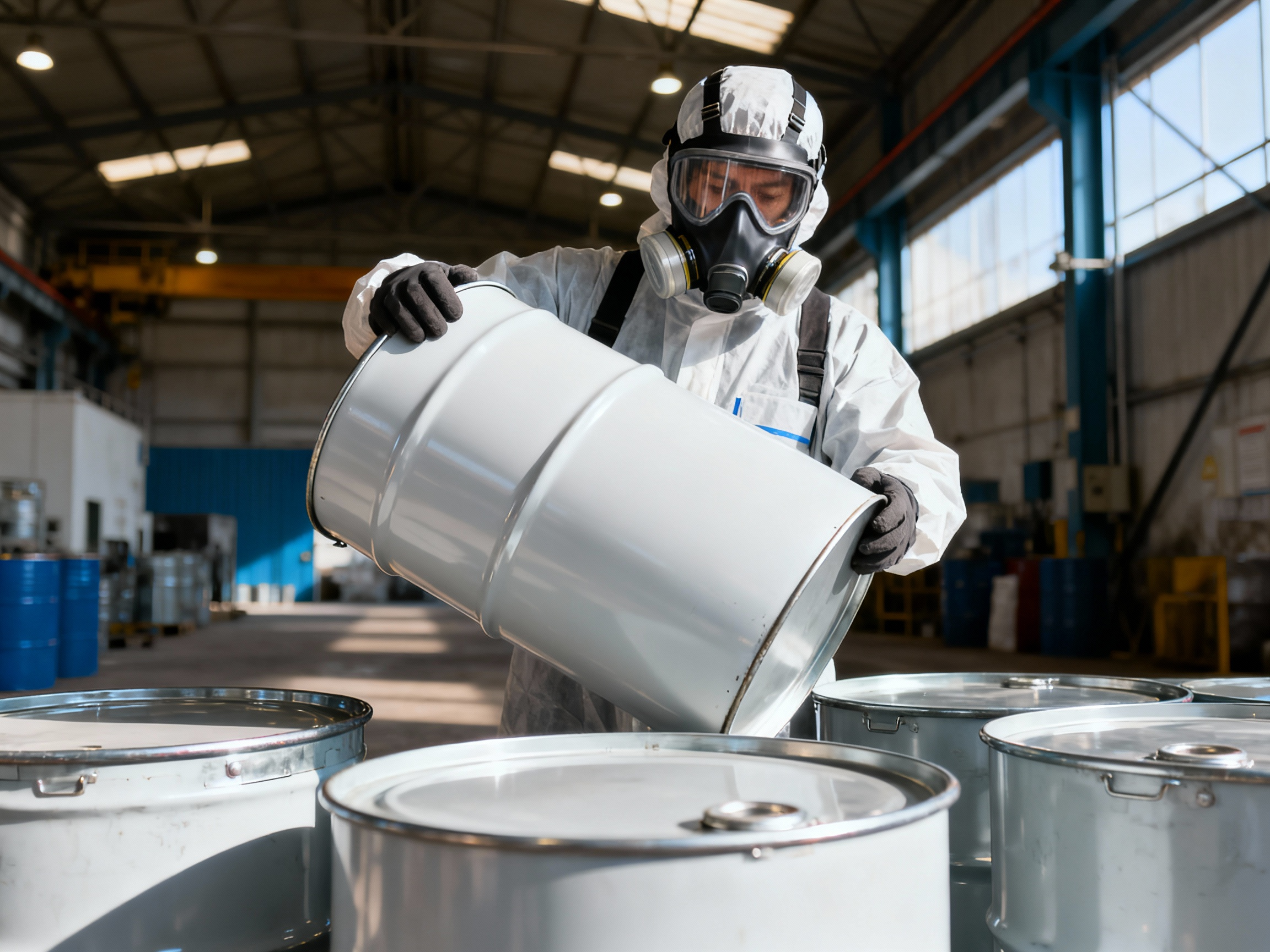
Table 1: Regulatory Thresholds for Turpentine Vapor
|
Agency |
Limit Type |
Concentration |
Primary Health Concern |
|
NIOSH |
IDLH |
800 ppm |
CNS depression, escape impairment |
|
OSHA |
PEL (TWA) |
100 ppm |
Neurotoxicity, irritation |
|
ACGIH |
TLV (TWA) |
20 ppm |
Lung sensitization, irritation |
Vapor Volatility and Flash Point Considerations
Spirit of turpentine is a volatile hydrocarbon mixture with a specific gravity of approximately 0.86 at 15°C. However, its vapor density is significantly heavier than air (approx. 4.7). This physical property causes vapors to sink and accumulate in low-lying areas such as maintenance pits or unventilated storage corners, creating “invisible” hazard zones.
The substance generally has a flash point around 35°C (95°F). In warm industrial environments or during exothermic processing, the liquid readily transitions to a vapor phase. If ventilation fails, localized concentrations can exceed the Lower Explosive Limit (LEL) of 0.8% volume in air, presenting a dual risk of toxicity and flammability.
Engineering Controls and Safety Protocols
Effective mitigation requires a hierarchy of controls, prioritizing engineering solutions over administrative rules. Facilities must implement robust ventilation and strict handling procedures to keep vapor concentrations well below the IDLH and PEL benchmarks.
Implementing Effective Ventilation and Monitoring
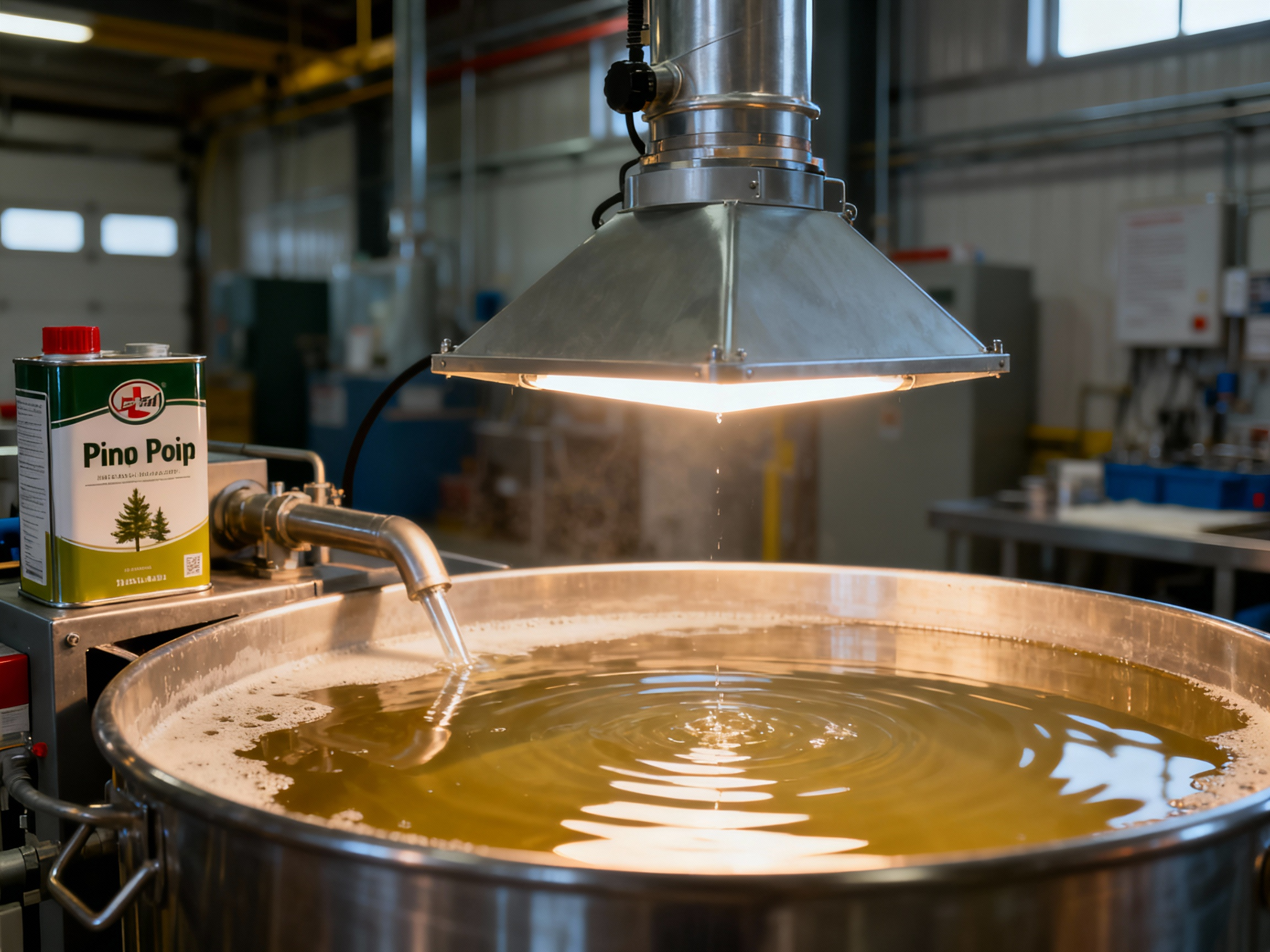
To control Georgia pine gum spirits of turpentine emissions, Local Exhaust Ventilation (LEV) is superior to general dilution ventilation. LEV systems should capture vapors at the source—such as mixing vessels or filling stations—with a capture velocity calculated to overcome ambient air currents.
Real-time detection is equally critical. Fixed Volatile Organic Compound (VOC) detectors should be installed at breathing zone heights and low points where heavy vapors settle. Alarm set-points must trigger at the PEL (100 ppm) rather than the IDLH, providing a safety buffer for evacuation. Industrial users must distinguish these hazards from “gum spirits of turpentine for health” myths; while historically used in small medicinal doses, industrial-grade inhalation is strictly toxic and never intended for internal use.
Respiratory Protection and Handling Standards
When engineering controls cannot maintain levels below 20 ppm, respiratory protection is mandatory. For routine tasks, full-face respirators with organic vapor cartridges are sufficient. However, if a leak occurs or sensors indicate levels approaching 800 ppm, workers must utilize a Self-Contained Breathing Apparatus (SCBA).
Strict protocols must prohibit the use of open transfer systems. Instead, closed-loop piping and hermetically sealed reaction vessels prevent fugitive emissions. B2B safety managers should ensure all Safety Data Sheets (SDS) are updated to reflect the specific hazards of the spirit of turpentine variant being processed, as terpene profiles can vary by source.
Premium Gum Turpentine Solutions by Linxingpinechem
For industries requiring high-purity raw materials with consistent chemical profiles, Linxingpinechem offers superior pine chemical solutions.
Super Grade Quality and Automated Production
Linxingpinechem (Yunfu Linxing Pine Chemicals) manufactures Gum Turpentine (CAS: 8006-64-2) using advanced automated PLC control systems. This technology ensures precise distillation, resulting in a “Super Grade” product characterized by high alpha-pinene content and low impurities. Established in 1998, the company integrates research, production, and trading to guarantee a stable supply chain for pharmaceutical, fragrance, and coating industries.
Reliable B2B Supply Chain
Located in the resource-rich Guangdong Province, Linxingpinechem leverages high-quality pine resources to produce consistent solvents that meet rigorous international standards. Their commitment to quality assurance minimizes batch-to-batch variation, helping manufacturers maintain process stability and safety compliance.
Review your facility’s current ventilation metrics and air monitoring logs today to ensure vapor concentrations remain well below the 800 ppm IDLH threshold.