

In the chemical processing and art conservation industries, the handling of solvents requires rigorous adherence to safety protocols. Inhalation of gum turpentine vapors presents a tangible threat to respiratory health if not managed with precise engineering controls. Upon exposure, these vapors cause rapid irritation to the mucous membranes of the eyes and respiratory tract, potentially escalating to central nervous system depression in environments with poor air exchange. For industrial safety managers and procurement officers, understanding the volatility of this solvent is essential. This article analyzes the technical hazards of terpene exposure and establishes operational standards for safe usage in professional facilities.
Analyzing Volatility and Respiratory Hazards of Turpentine
The high vapor pressure of organic solvents facilitates rapid evaporation at room temperature, creating hazardous atmospheres. This section examines the physiological impact of inhalation and debunks dangerous misuse cases regarding internal consumption.
Vapor Pressure Mechanics and Toxicity
Pure gum spirit turpentine is composed primarily of alpha-pinene and beta-pinene, cyclic terpenes that exhibit significant volatility. At 20°C, the vapor pressure allows the solvent to transition quickly from liquid to gas, displacing oxygen in enclosed spaces. When these Volatile Organic Compounds (VOCs) enter the respiratory system, they act as irritants. Prolonged exposure without protection leads to “olfactory fatigue,” where the nose becomes desensitized to the pine scent, masking dangerous concentration levels.
Industrial data indicates that the Threshold Limit Value (TLV) for turpentine is 20 parts per million (ppm). Exceeding this limit results in laryngeal burning and bronchial constriction. To mitigate toxicity, professionals often seek “double rectified” spirits, which remove non-volatile impurities found in crude sulfate wood alternatives. However, even rectified pure turpentine oil retains the solvency power and respiratory risks inherent to terpenes, necessitating barrier protection like nitrile gloves to prevent systemic absorption through the dermis.
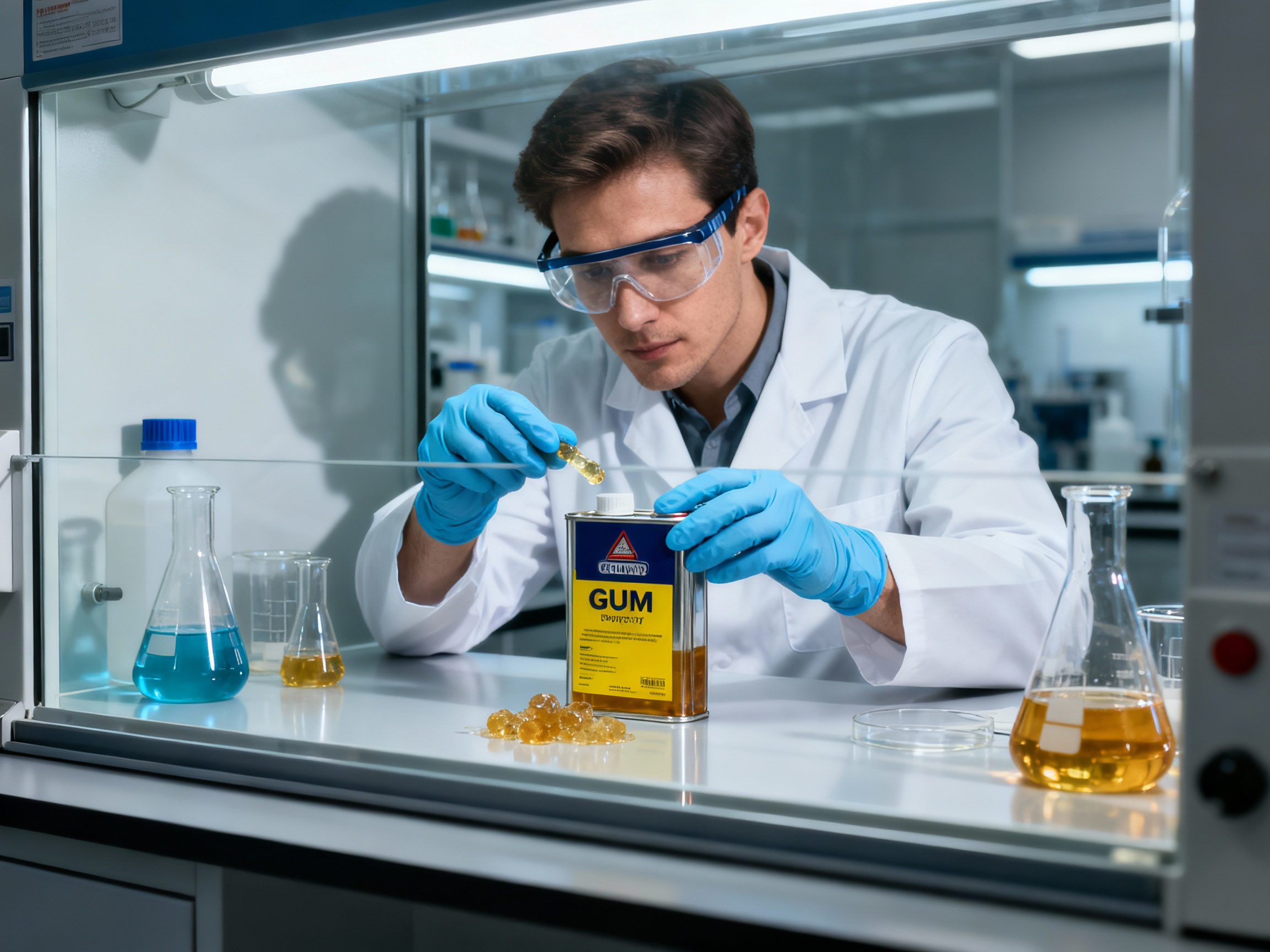
Risks of Gum Spirits of Turpentine for Health
A concerning trend involves misinformation regarding the internal use of industrial solvents. It is critical to refute claims suggesting gum spirits of turpentine for health remedies. Ingesting industrial-grade terpenes poses severe aspiration hazards. If the liquid enters the lungs (aspiration) during swallowing or vomiting, it causes chemical pneumonitis, a potentially fatal inflammation.
Table 1: Physiological Risks of Improper Turpentine Handling
|
Exposure Route |
Immediate Reaction |
Long-term/Severe Consequence |
|
Inhalation |
Nose/Throat irritation, Dizziness |
CNS Depression, Kidney damage |
|
Ingestion |
Nausea, Vomiting, Burning sensation |
Chemical Pneumonitis, Renal Failure |
|
Skin Contact |
Redness, Localized irritation |
Allergic Contact Dermatitis (Sensitization) |
Engineering Controls and Operational Standards
Mitigating the risks of turpentine gum vapors requires a dual approach: implementing robust ventilation systems and enforcing strict container management disciplines to reduce the evaporative surface area.
Calculating Air Exchange Rates (ACH)
Relying on passive ventilation is insufficient for studios or factories handling volatile terpenes. Industrial hygiene standards recommend a specific Air Exchange Rate (ACH) to ensure contaminants are continuously diluted. For spaces utilizing georgia pine gum spirits of turpentine or similar high-grade solvents, an ACH of 10 to 15 is recommended. This means the total volume of air in the room is replaced 10 to 15 times per hour.
Effective systems utilize Local Exhaust Ventilation (LEV). By placing slot hoods or fume extraction arms directly at the “breathing zone” (the source of the vapor), facilities capture contaminants before they disperse into the general room atmosphere.
Sealing Protocols to Minimize Evaporation
Operational discipline significantly impacts air quality. The rate of vapor buildup correlates directly with the exposed surface area of the liquid. The “Keep Closed” Standard Operating Procedure mandates that all containers remain hermetically sealed immediately after dispensing.
Operators should transfer solvents from bulk drums into narrow-necked dispensers rather than wide-mouth jars. This reduces the liquid-air interface, lowering the volume of vapor released during application. Furthermore, rag disposal requires fire-rated, self-closing metal cans to prevent spontaneous combustion, a known risk when terpene-soaked materials oxidize on porous surfaces.

Linxingpinechem Sustainable Chemical Solutions
Linxingpinechem specializes in the comprehensive processing of natural forestry resources, adhering to strict quality control standards for industrial applications.
High-Purity Gum Turpentine Oil
Linxingpinechem produces premium Gum Turpentine Oil (CAS No. 8006-64-2), derived from the distillation of natural gum rosin. This product is characterized by a high alpha-pinene content, ensuring superior solvency and reactivity for chemical synthesis. It serves as a vital raw material in the production of synthetic camphor, terpineol, and perfumes, as well as a solvent in the paint and coating industries.
Supply Chain and Packaging Integrity
Understanding the needs of B2B procurement, Linxingpinechem ensures that all products, including Gum Rosin and Alpha-Pinene, meet international export standards. The company utilizes galvanized iron drums (175kg net) to maintain chemical stability during transport. By controlling the entire lifecycle from raw pine resin collection to final distillation, Linxingpinechem delivers consistent quality for sophisticated industrial requirements.
For technical specifications or bulk procurement of high-grade pine chemicals, contact the Linxingpinechem team.