

In the competitive landscape of personal care formulation, achieving a stable and consistent olfactory profile is a significant technical challenge. While consumers increasingly demand natural ingredients, the volatility of complex essential oils often compromises product longevity. Formulators relying on full-spectrum oils frequently encounter rapid oxidation, pH instability, and scent degradation. This is where high-purity isolates offer a distinct advantage. By utilizing standardized L-Limonene, R&D chemists can maintain the appeal of fragrance in cosmetics while eliminating the unpredictable variables associated with crude natural mixtures. This shift not only enhances shelf life but also standardizes the sensory experience for the end-user.
Mitigating Oxidation Risks and Allergen Formation in Formulations
Oxidation control is critical when selecting ingredients for leave-on and rinse-off products, as the degradation of terpenes directly impacts safety and sensory performance.
Volatility Differences Between Isolates and Crude Oils
Complex essential oils, such as cold-pressed orange or lemon oil, contain hundreds of minor compounds—waxes, tars, and photo-sensitizing coumarins—that act as catalysts for degradation. Data indicates that crude essential oils can exhibit oxidation rates 15–20% higher than purified isolates when exposed to UV light and oxygen. In contrast, high-purity L-Limonene provides a streamlined molecular profile. By removing the volatile minor impurities found in broad-spectrum oils, formulators achieve a more predictable breakdown curve. This stability is crucial for maintaining the structural integrity of natural fragrance for cosmetics, ensuring that the intended citrus notes do not devolve into rancid off-odors during the product’s shelf life.
Managing Sensitization Profiles in Modern Skincare
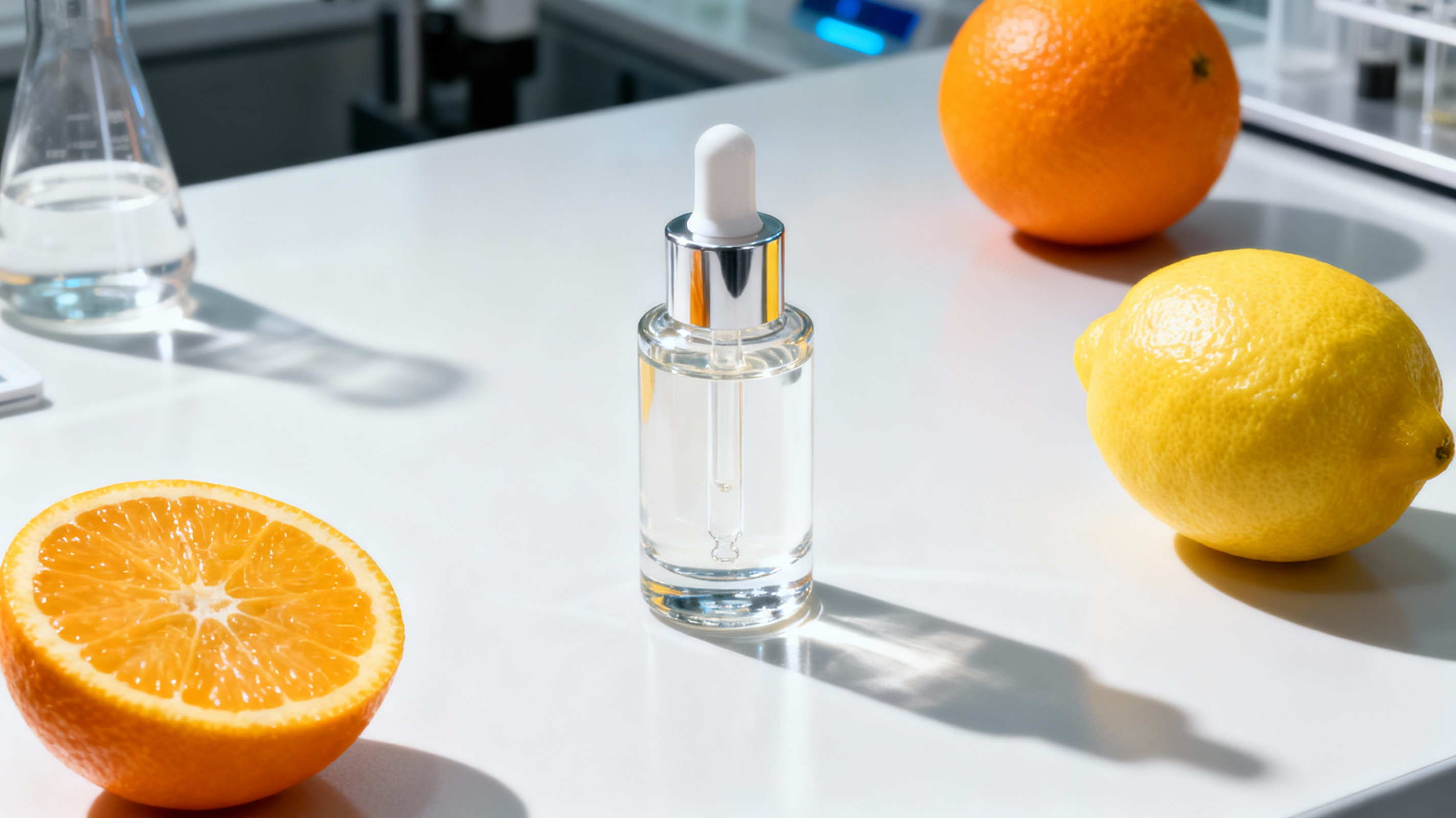
The primary cause of fragrance in cosmetics side effects is often not the molecule itself, but its oxidation byproducts, specifically hydroperoxides. As essential oils age, the interaction between varying terpene levels accelerates the formation of sensitizing compounds. A comparative analysis suggests that standardized isolates allow for tighter control over peroxide values compared to batch-variable crude oils. By utilizing high-purity L-Limonene, manufacturers can significantly reduce the baseline load of fragrance allergens in cosmetic products. This proactive approach to ingredient purity helps brands navigate strict safety assessments and reduces the risk of consumer contact dermatitis, particularly in vitamin C serums and anti-aging creams where stability is paramount.
Regulatory Clarity and INCI Standardization for Formulators
Clear labeling is essential for B2B compliance, ensuring traceability and meeting the rigorous demands of the “clean beauty” market sector.
Transparency Beyond Generic Labeling Terms
Historically, ingredient lists have obscured specific components under vague umbrella terms. Other names for fragrance in cosmetics often include “Parfum,” “Aroma,” or generic “Citrus Oil,” which fail to disclose the precise chemical makeup to regulators or procurement specialists. In a B2B context, precise INCI designation is vital. specifying “L-Limonene” (or Limonene) signals a defined, traceable ingredient rather than a fluctuating natural mixture. This precision supports quality control teams in standardizing “clean label” claims, ensuring that every production batch meets identical safety specifications without the variances inherent in agricultural crops.
Practical Stability in Functional Applications
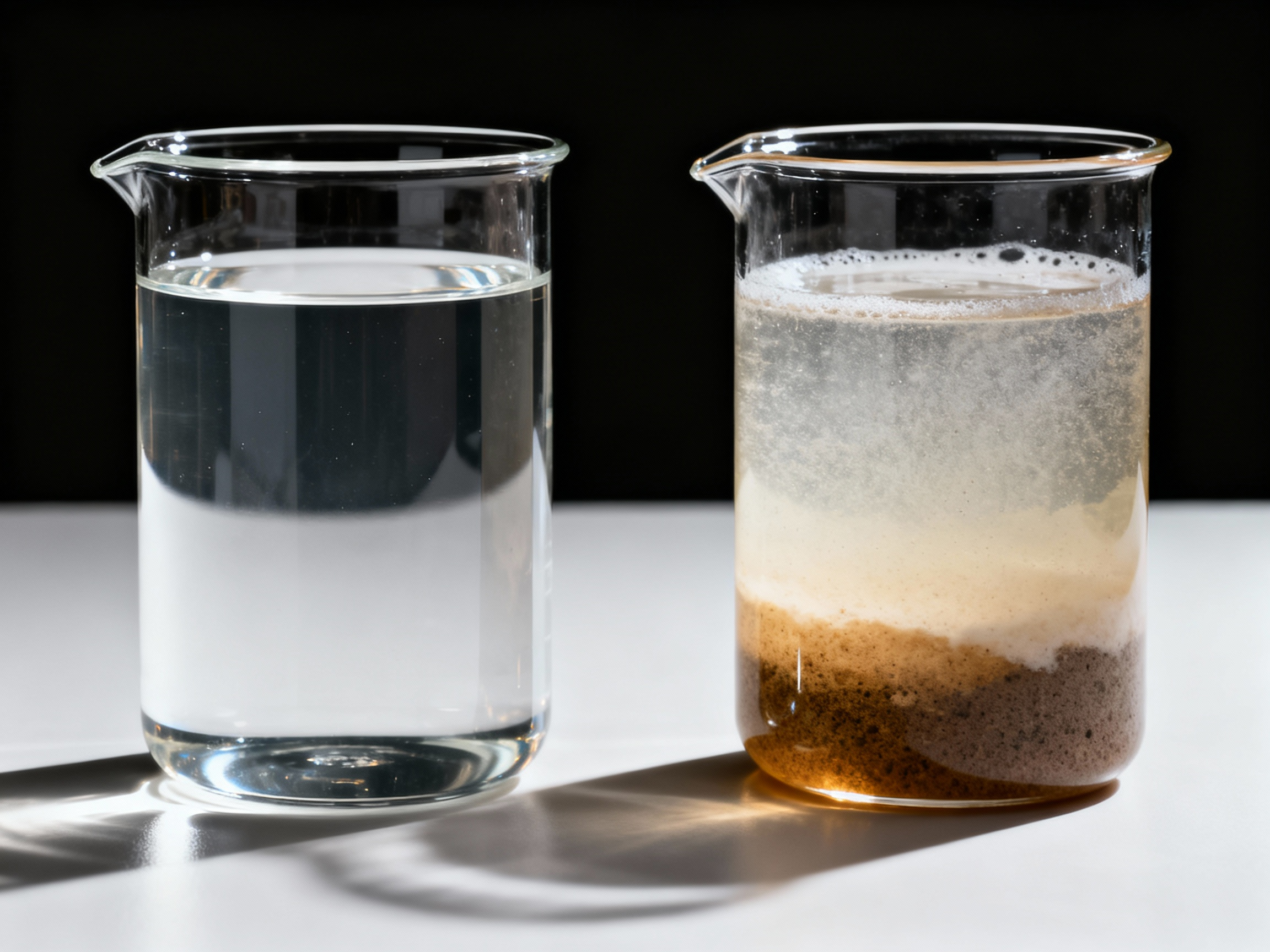
The versatility of high-purity isolates is evident in challenging environments. Fragrance in cosmetics examples range from high-pH surfactant systems like shampoos to lipid-rich body butters. In a recent stability test, a shampoo formulation containing purified L-Limonene maintained its clear appearance and scent profile for 12 weeks at 45°C, whereas the sample with crude orange oil showed distinct discoloration and phase separation. This durability makes isolates the preferred choice for functional products where consistent aesthetic performance is non-negotiable. Whether in cold-process soaps or emulsions, the isolate ensures that the olfactory signature remains robust from manufacturing to the final consumer application.
Linxingpinechem L-Limonene: Technical Specifications and Highlights
Linxingpinechem specializes in the deep processing of pine chemicals, offering high-quality L-Limonene derived from renewable gum turpentine resources to meet industrial and cosmetic standards.
Standardized Purity for Consistent Formulation
Linxingpinechem provides L-Limonene with rigorous quality control, typically offering purity assays of 95%. This high level of standardization ensures that formulators receive a colorless, clear liquid with a consistent lemon-like odor profile in every drum. Unlike natural products that are susceptible to fluctuations in agricultural yields, this controlled production process guarantees a specific gravity (0.838–0.880), which is crucial for precise production calibration.
Versatile Application in Synthesis and Solvents
Beyond its role as a fragrance isolate, Linxingpinechem L-Limonene serves as a potent solvent and a precursor for synthesizing perfume ingredients. Its chemical structure (C10H16) makes it an effective biodegradable cleaning agent and a key intermediate in producing terpene resins. This versatility allows procurement managers to consolidate raw material sourcing, utilizing a single, stable ingredient for multiple formulation needs.
Conclusion
For modern cosmetic formulations, stability is synonymous with quality. Replacing complex, unstable essential oils with high-purity L-Limonene allows brands to deliver consistent, safe, and long-lasting products. To access technical data sheets or request samples of pharmaceutical-grade isolates, contact Linxingpinechem today.