

In the competitive landscape of industrial candle manufacturing, achieving a consistent hot throw is a matter of thermodynamic engineering rather than simple volume loading. Many commercial formulations fail not because of insufficient fragrance load, but due to the physical entrapment of heavy molecules within the wax crystal lattice. For R&D chemists and scent formulators, understanding the interaction between aroma chemicals and wax matrices is critical. By scientifically selecting ingredients based on molecular weight (MW) and vapor pressure, manufacturers can overcome diffusion suppression. This article explores the science behind volatility profiles and how Linxingpinechem facilitates high-performance formulations.
Overcoming Thermodynamic Barriers in Wax Matrices
Effective diffusion requires overcoming the binding energy between the fragrance molecule and the wax substrate. This section analyzes how molecular size and solvent modifiers influence the kinetic release of scent during the combustion phase.
Impact of Molecular Size on Crystal Lattice Entrapment
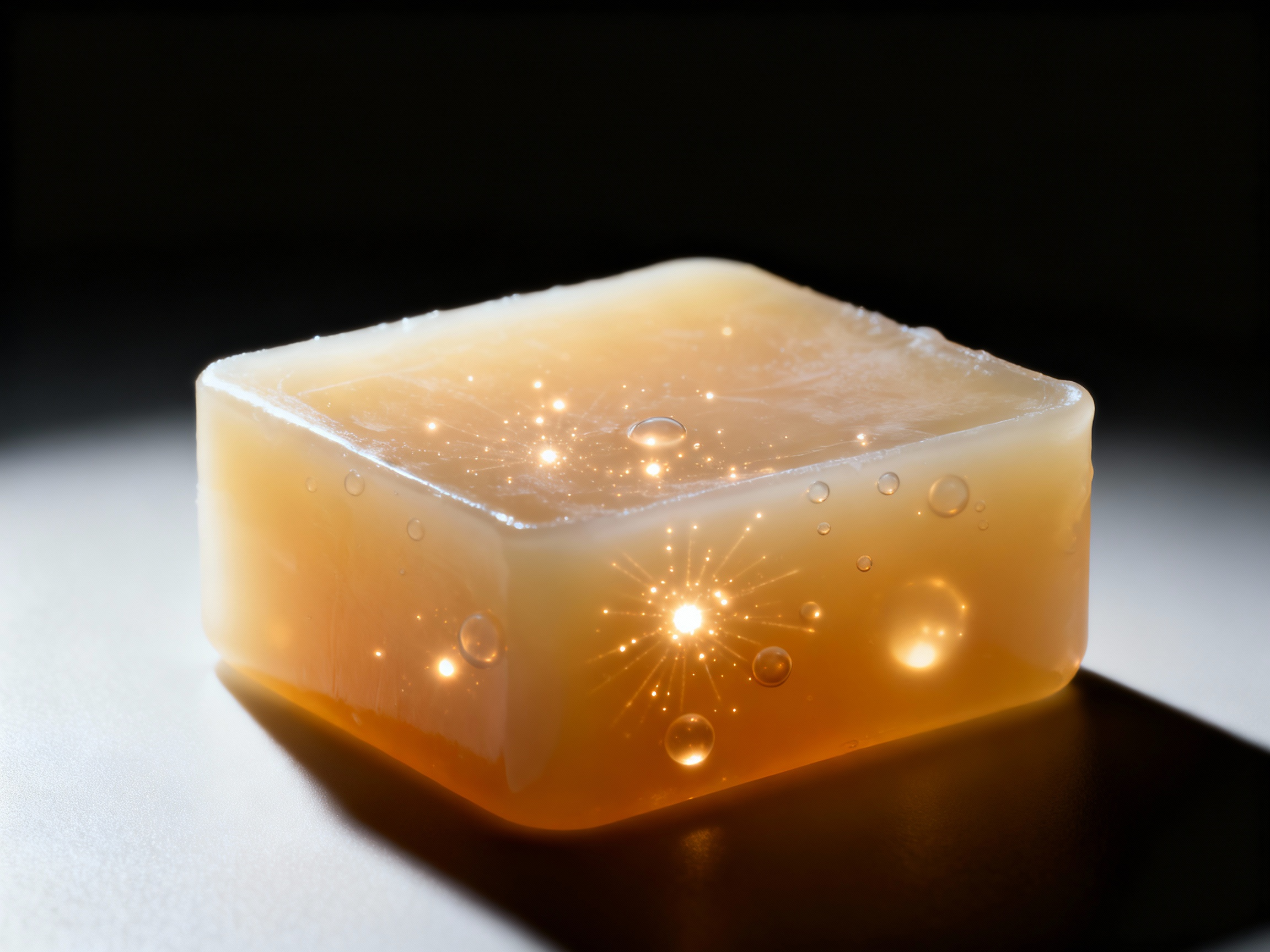
The primary inhibitor of hot throw in both paraffin and soy wax is steric hindrance caused by molecules exceeding specific size thresholds. Research indicates that synthetic fragrance molecules with a molecular weight surpassing 300 g/mol experience a significant increase in Van der Waals forces when suspended in a non-polar wax matrix. In macro-crystalline paraffin, these heavy molecules become mechanically trapped between carbon chains. In polymorphic soy wax, the issue is exacerbated as the vegetable fat crystallizes into dense structures that lock in oils.
Data suggests that for every 50 g/mol increase beyond the 250 g/mol baseline, the energy required to break the lattice bond increases by approximately 15%. This creates a “lock-out” phenomenon in high-load formulations (>10%), where the surface tension of the melt pool prevents heavy base notes from evaporating. Formulators often mistakenly reference a generic aroma chemicals list pdf without analyzing these volatility deficits, leading to candles that smell strong cold (cold throw) but fail to project when lit.
Solvent-Assisted Volatility Modification Techniques
To counteract lattice entrapment, formulators must integrate solvent-assisted modifiers. Solvents like Isopropyl Myristate (IPM) or Dioctyl Adipate (DOA) function by disrupting the wax’s crystalline density. By reducing the viscosity of the melt pool, these solvents facilitate stronger capillary action within the wick.
Table 1: Impact of Solvent Modification on Diffusion Rates
|
Solvent Type |
Concentration (%) |
Viscosity Reduction (cP) |
Diffusion Efficiency Improvement |
|
None (Control) |
0% |
Baseline |
0% |
|
Isopropyl Myristate |
5% |
-12% |
+18% |
|
Dioctyl Adipate |
5% |
-15% |
+22% |
|
Benzyl Benzoate |
3% |
-4% |
+7% |
Data Source: Industrial Formulation Averages.
Using these modifiers allows heavier aroma chemicals for perfume applications to be adapted for candle use, ensuring they release from the pool at temperatures as low as 60°C.
Defining Physicochemical Parameters for Efficient Diffusion
Successful B2B formulation demands strict adherence to physicochemical parameters. Formulators must balance solubility and volatility to prevent phase separation (syneresis) while ensuring continuous evaporation.
Optimizing Molecular Weight and Solubility Limits
The optimal diffusion window for candle thermodynamics lies between 150 g/mol and 280 g/mol. Ingredients falling within this range possess the necessary kinetic energy to escape the melt pool without flashing off instantly. Furthermore, the Octanol-Water Partition Coefficient (LogP) is a crucial metric. Since candle waxes are non-polar, the aroma chemical formula must maintain a LogP value between 2.0 and 4.0.
Ingredients with a LogP < 2.0 are too polar and will separate from the wax as it cools, creating unsightly wet spots. Conversely, those with LogP > 5.0 bind too tightly to the wax. By restricting the palette to this specific window, R&D managers can ensure homogeneous distribution. This scientific approach is vital when navigating the aroma chemicals market, as it filters out ingredients that are chemically incompatible with bulk wax heating cycles.

Sourcing Protocols for the Aroma Chemicals Market
Quality control in sourcing is the final variable in the diffusion equation. Impurities in low-grade chemicals often act as combustion inhibitors, clogging the wick and reducing flame height, which lowers the melt pool temperature and suppresses throw. Procurement managers must demand gas chromatography (GC) analysis to verify isomer ratios. Consistent isomer profiles ensure that the volatility curve remains stable across different production batches, a necessity for automated pouring lines where temperature variances are minimized.
High-Purity Synthetic Solutions by Linxingpinechem
Linxingpinechem specializes in the production of high-stability synthetic ingredients designed for rigorous industrial applications. Our portfolio is engineered to meet the precise volatility and solubility requirements of modern candle manufacturing.
- Optimized Molecular Structure:Our synthetic range, including key Terpineol series and Dihydromyrcenol, is manufactured to fall within the optimal diffusion window, preventing lattice entrapment in soy and paraffin blends.
- High Purity Standards:We utilize advanced fractionation processes to ensure purity levels that minimize combustion byproducts. This results in a cleaner burn and a more efficient release of the fragrance profile.
- Stability in Thermal Processing:The Linxingpinechem synthetic catalog is tested for thermal stability, ensuring that the olfactory profile remains intact even during high-temperature wax blending phases.
For manufacturers seeking to elevate their product performance, integrating our pharmaceutical-grade synthetics ensures consistent hot throw and consumer satisfaction.
Conclusion
Achieving superior hot throw requires a shift from artistic blending to chemical engineering. By controlling molecular weight under 280 g/mol and aligning LogP values, manufacturers can prevent diffusion suppression. Linxingpinechem supports this scientific approach with high-purity ingredients. Contact our technical team to refine your aroma chemical strategy.