

In the competitive landscape of the aroma chemicals market, the choice between distinct chemical families determines not only the scent profile but also the functional performance of the final product. For Senior R&D Formulators and procurement managers, understanding the molecular architecture of these ingredients is critical. Aroma chemicals serve as the backbone of modern perfumery and industrial scenting, ranging from the high-volatility freshness of terpenes to the tenacious creamy notes of lactones. This article examines the structural and functional divergence between these two dominant families, providing technical insights for optimizing synthetic fragrance oils and functional products.
Analyzing Molecular Distinctions: Lactones Versus Pine-Derived Terpenes
To engineer a stable and impactful scent, formulators must navigate the fundamental differences in chemical reactivity and evaporation rates. This section contrasts the cyclic ester structure of lactones with the hydrocarbon backbone of pine-derived terpenes, two pillars of the aroma chemical industry.
Olfactory Profiles and Volatility Metrics
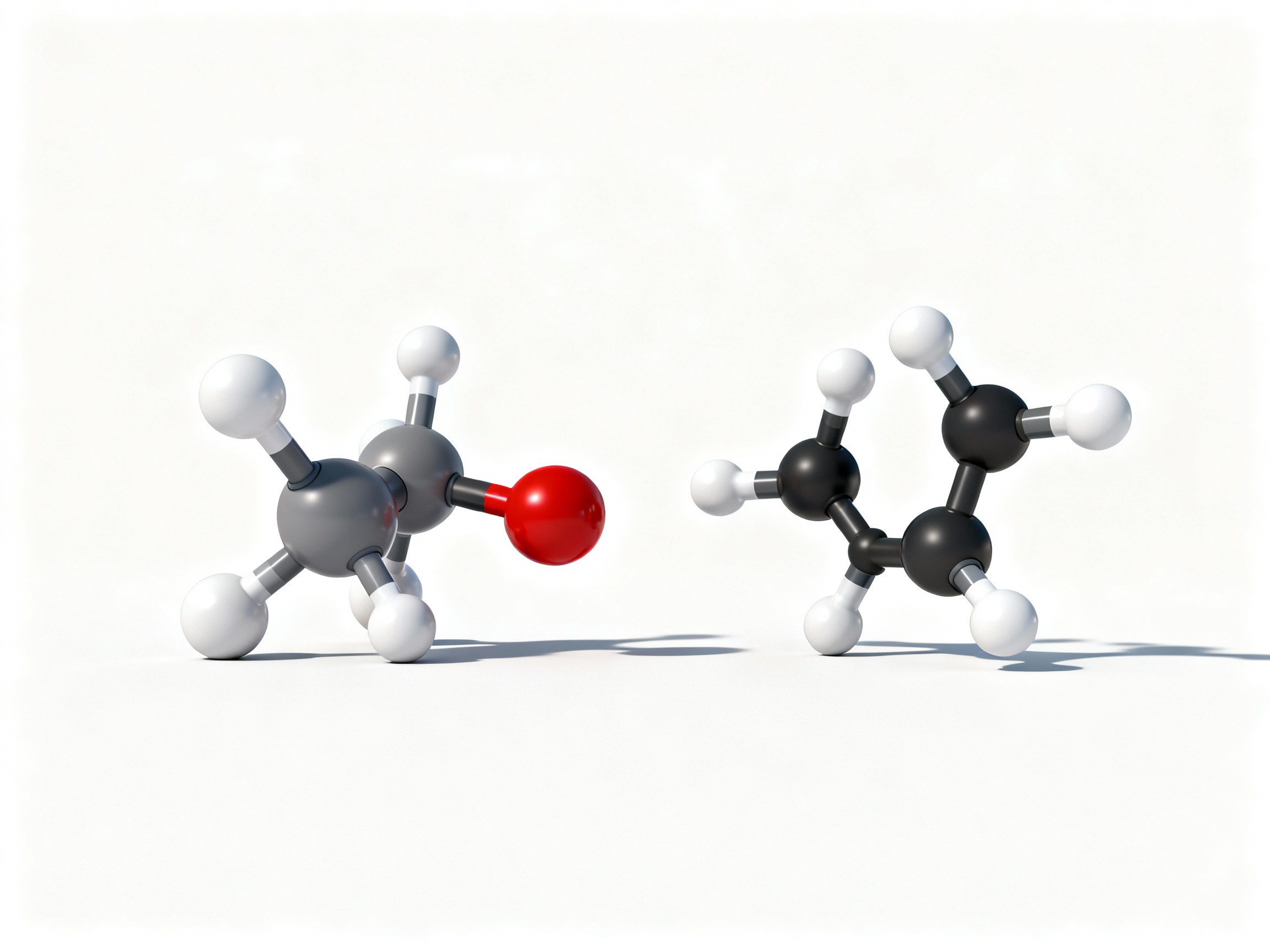
The aroma chemical formula dictates the volatility and sensory categorization of the molecule. Lactones, characterized by their cyclic ester rings, generally function as base or middle notes. For instance, Gamma-Decalactone (C₁₀H₁₈O₂) offers a creamy, peach-like profile with a boiling point exceeding 280°C, providing exceptional longevity on fabric and skin.
In contrast, pine-derived terpenes are built on isoprene units (C₅H₈)n and typically serve as high-impact top notes. Common terpenes like Alpha-Pinene (C₁₀H₁₆) boil at approximately 156°C, creating an immediate, diffusive “lift” characterized by fresh, woody, or citrus nuances. When reviewing an aroma chemicals list pdf or technical specification, formulators will observe that terpenes dominate the initial headspace of a fragrance, while lactones anchor the scent profile over time.
|
Characteristic |
Pine-Derived Terpenes (e.g., Alpha-Pinene) |
Lactones (e.g., Gamma-Decalactone) |
|
Molecular Structure |
Hydrocarbon (C₁₀H₁₆) |
Cyclic Ester (C₁₀H₁₈O₂) |
|
Boiling Point |
~156°C (High Volatility) |
~281°C (Low Volatility) |
|
Olfactory Role |
Top Note (Fresh, Woody, Citrus) |
Base Note (Creamy, Fruity, Coconut) |
|
Primary Use |
Lift, Malodor Masking, Freshness |
Longevity, Gourmand Depth, Fixative |
Stability in Functional Formulations
Selecting aroma chemicals for perfume requires balancing volatility with chemical stability, particularly in aggressive environments like alkaline detergents or acidic cleaners. Lactones exhibit hydrolytic instability in high-pH environments (alkaline hydrolysis), where the lactone ring can open, causing a loss of odor and potential discoloration.
Conversely, pine-derived terpenes are robust in diverse pH ranges but are susceptible to oxidation when exposed to air, often requiring antioxidants like BHT in the final formulation. For industrial applications, such as heavy-duty degreasers, terpenes are often preferred not only for their scent but for their solvency properties. However, for leave-on fabric softeners where scent retention is paramount, the substantivity of lactones makes them indispensable despite the stability challenges.
Linxingpinechem: Premier Synthetic Aroma Solutions from Pine Chemistry
Linxingpinechem stands as a specialized manufacturer integrated with production, research, and trading, focusing on deep-processing pine chemical products to serve the global Flavor & Fragrance (F&F) sectors.
Engineered for Consistency and Purity
Leveraging a strategic location in Guangdong with access to high-quality raw materials, Linxingpinechem transforms natural resources into high-purity synthetic aroma chemicals. The company’s portfolio is anchored in pine chemistry, offering stable and versatile ingredients for various industrial applications:
- Terpineol:A key floral isolate widely used in perfumery and cleaning products for its stable lilac aroma.
- Alpha-Pinene & Beta-Pinene:High-purity monoterpenes (90%-95% and 95%–98% min) serving as essential building blocks for synthetic fragrance oils and fine fragrances.
- Longifolene & Isolongifolene:Sesquiterpenes used for their woody notes and fixative properties, available in multiple concentrations to suit specific formulation needs.
- Limonene & Dipentene:versatile citrus-terpenes ideal for solvents and fresh fragrance top notes.
Supply Chain and Quality Assurance
Unlike fluctuating natural extracts, Linxingpinechem utilizes automated production lines to ensure scalable and consistent supply. The facility boasts substantial annual capacities, including 2,000 tons of pinene series and 1,000 tons of terpineol. With a modern management system and strict quality control protocols, the company provides reliable documentation (comparable to a standard aroma chemicals list pdf) to ensure compliance and traceability for global partners.
Conclusion
For formulators seeking reliable woody, citrus, and floral notes derived from renewable pine sources, Linxingpinechem offers a robust alternative to unpredictable naturals. By integrating these pine-derived syntheses, manufacturers can achieve consistent olfactory performance and supply chain stability.