

The implementation of the Modernization of Cosmetics Regulation Act (MoCRA) has fundamentally altered the compliance landscape, effectively removing the “trade secret” shield that previously allowed manufacturers to obscure complex blends. To answer the industry’s pressing question: Yes, MoCRA necessitates a strategic shift away from ambiguous essential oil mixtures toward characterized isolates. By utilizing precise, single-molecule ingredients like l limonene, formulators can satisfy the FDA’s rigorous disclosure mandates, mitigate legal liability, and ensure seamless market access. This transition is critical for managing fragrance in cosmetics without compromising on olfactory performance or supply chain security in the North American market.
Navigating Regulatory Requirements for Fragrance Allergens in Cosmetic Products
The enforcement of MoCRA Section 609(b) compels brands to disclose specific allergens, moving the industry toward a transparent framework that aligns U.S. standards more closely with global regulations.
Impact of Section 609(b) on Ingredient Transparency
Historically, companies could group hundreds of chemicals under the umbrella term “fragrance” or “parfum.” However, MoCRA now requires the labeling of specific fragrance allergens in cosmetic products if they appear above established thresholds. This aligns with the European Union’s expansion of reportable allergens, moving from the original 26 to a proposed list of 82. For B2B procurement officers and Regulatory Affairs Directors, this means that every raw material entering the facility must have a calculated allergen load. The risk of FDA warning letters and retailer rejection increases significantly for brands that fail to identify these compounds. Unlike varying fragrance in cosmetics examples such as raw citrus oils, which fluctuate in composition due to harvest conditions, isolates provide a fixed data point for compliance.
Managing Risk with Defined Isolates Versus Essential Oils
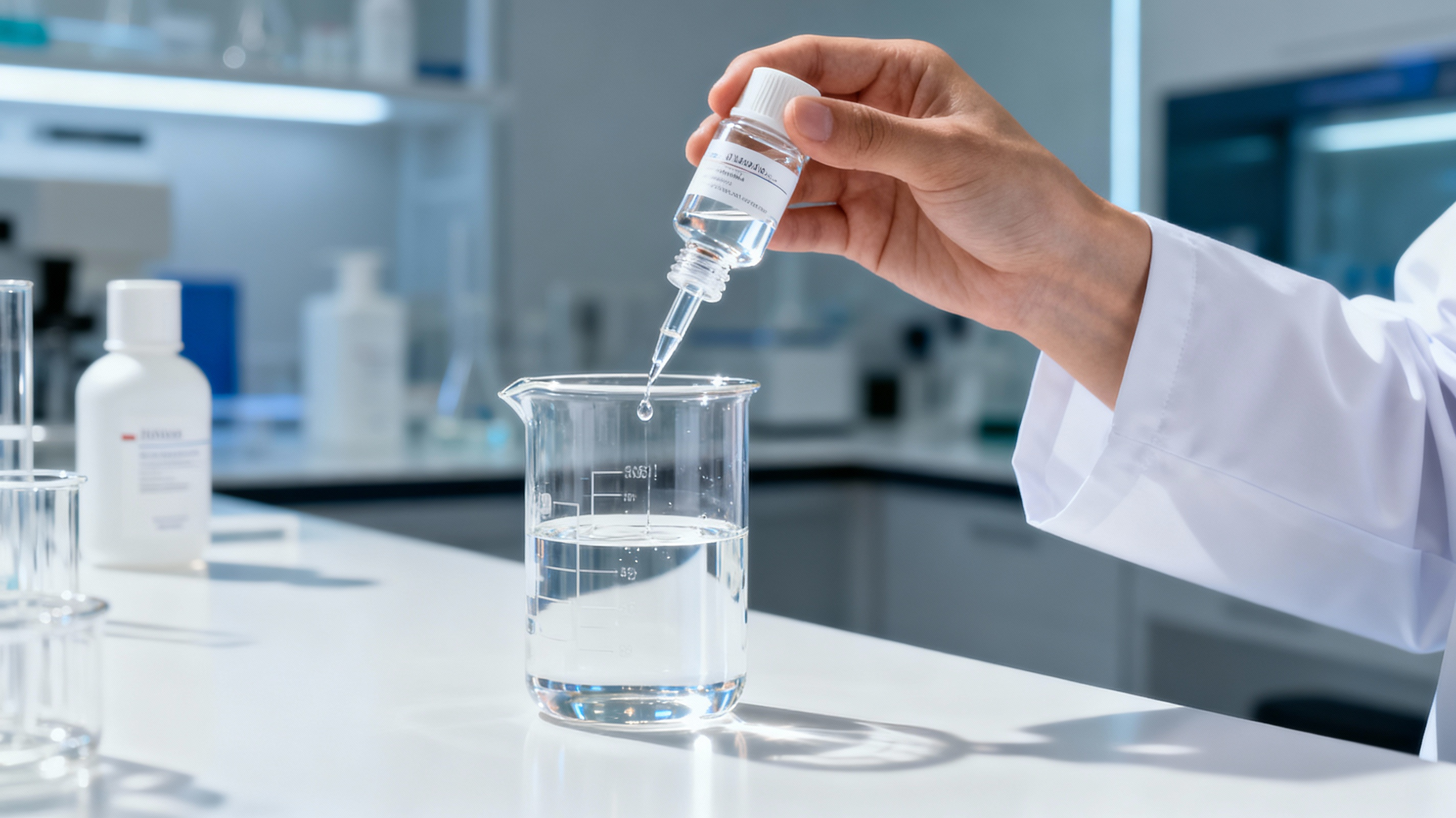
The primary challenge with natural essential oils is batch-to-batch variance. A crop of orange oil may contain 90% limonene one year and 94% the next, altering the allergen calculation per batch. This variance complicates the strict math required to determine if an allergen exceeds 0.001% in leave-on products or 0.01% in rinse-off products. By substituting complex naturals with high-purity isolates, formulators eliminate this variability. Using a standardized isolate ensures that the allergen content is constant, simplifying the creation of the safety dossier. This proactive approach minimizes the potential for fragrance in cosmetics side effects, such as contact dermatitis, which drives regulatory scrutiny.
Strategic Sourcing and Identification of Other Names for Fragrance in Cosmetics
Achieving compliance requires a rigorous audit of the supply chain to uncover hidden allergens disguised under ambiguous International Nomenclature Cosmetic Ingredient (INCI) names.
Decoding Ambiguous Nomenclature in Raw Materials
Regulatory teams must scrutinize material data sheets for other names for fragrance in cosmetics. Suppliers often bury allergenic components under terms like “Botanical Extract,” “Aroma,” or “Flavor.” For instance, a “Lemon Extract” listing may inherently carry high loads of citral and limonene, triggering labeling requirements that the finished goods manufacturer might miss. Establishing standardized Raw Material Data Sheets (RMDS) that demand a full compositional breakdown is no longer optional; it is a necessity. This audit process prevents inadvertent non-compliance where a brand lists “clean” ingredients but fails to declare the constituent allergens mandated by MoCRA, protecting the company from downstream liability and consumer trust issues.
Functional Advantages of High-Purity L-Limonene
Beyond compliance, switching to isolates like l limonene offers functional stability in formulation. Unlike broad-spectrum oils that may oxidize or change color, high-purity terpenes act as reliable functional ingredients. They serve as effective solvents and fragrance agents with predictable behavior in emulsions and surfactant systems. By sourcing defined isolates, formulators can maintain the desired sensory profile—such as a fresh, citrus note—while possessing exact chemical data for regulatory filing. This precision supports Green Chemistry initiatives by replacing petroleum-based solvents with bio-based terpenes, aligning technical performance with the rigorous documentation required by modern regulatory frameworks.
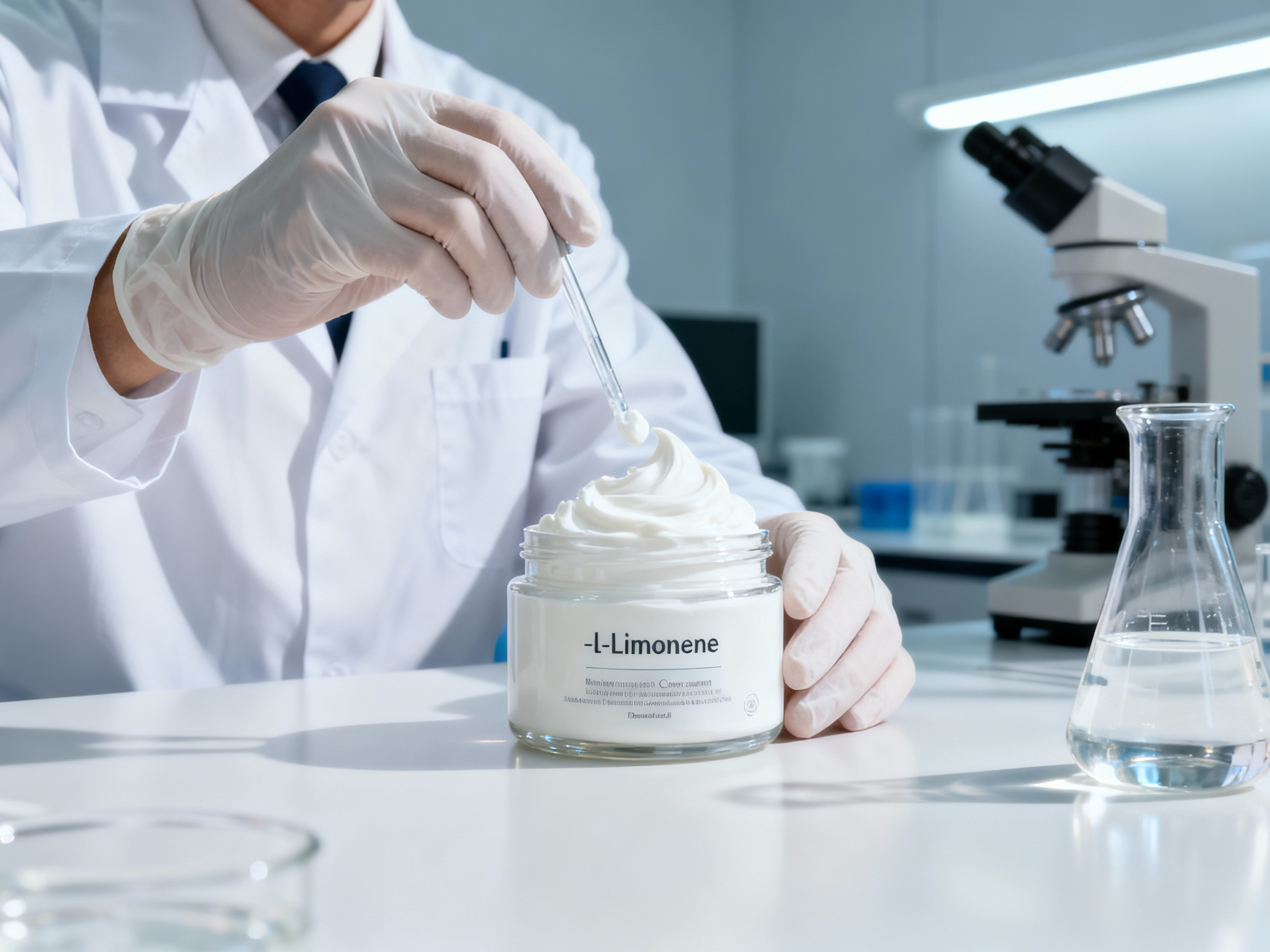
Linxingpinechem L-Limonene Technical Specifications and Highlights
Linxingpinechem provides high-purity L-Limonene manufactured through the deep processing of natural resources, offering a stable and compliant solution for personal care and industrial applications requiring precise chemical definitions.
Technical Purity and Physical Properties
Linxingpinechem L-Limonene (CAS Number: 5989-54-8) is characterized by a purity level of ≥95%, ensuring consistent performance across production batches. It presents as a colorless, clear liquid, eliminating the risk of discoloration often associated with raw, unrefined essential oils. The olfactory profile provides a distinct cooling, lemon-like odor, making it an ideal candidate for formulations requiring a crisp, fresh scent profile without the chemical ambiguity of complex blends.
Industrial and Cosmetic Applications
As a versatile isolate, this product is suitable for diverse B2B applications. It functions effectively in food flavors and daily fragrances, serving as a key building block for scent profiles. Furthermore, its solvent properties make it valuable in cleaning agents and pesticide formulations. For cosmetic formulators, the high purity of Linxingpinechem L-Limonene simplifies the calculation of allergen thresholds, directly supporting MoCRA compliance strategies.
Conclusion
Transitioning to characterized isolates is the most effective strategy for meeting modern regulatory standards. Audit your raw material inventory for hidden allergens today and integrate high-purity L-Limonene to guarantee full MoCRA compliance and supply chain security.