

In the modern flavor and fragrance industry, procurement managers face the ongoing challenge of balancing consumer demand for sustainability with volatile raw material markets. As some brands evaluate bio-based ingredients, demand for selected terpene-derived chemicals may increase in certain applications. Consequently, the pricing and availability of natural aroma chemicals are now inextricably linked to global forestry products and industrial processing streams. Navigating this sector requires a profound understanding of how upstream raw materials, particularly turpentine, undergo dramatic fluctuations due to ecological, logistical, and geopolitical forces. This comprehensive price analysis explores the core drivers of turpentine pricing, regional cost variations, and the systemic impacts on downstream fragrance formulations, offering procurement professionals actionable insights to secure their supply chains.
The Vital Link: Turpentine Feedstock and Monoterpene Extraction
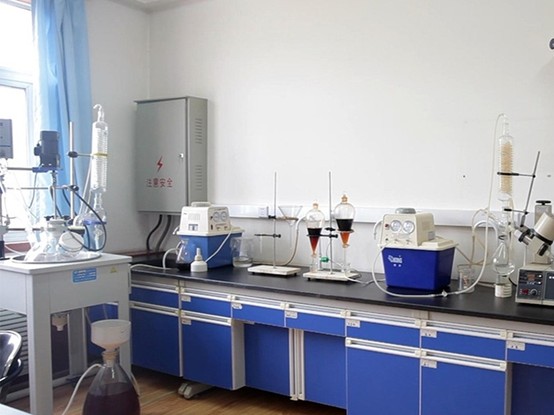
To comprehend the pricing of bio-based fragrances, one must first analyze the extraction and processing of turpentine oil. Derived primarily from the oleoresin of coniferous trees, turpentine serves as the primary source of bicyclic monoterpenes like alpha-pinene and beta-pinene. These molecules act as the foundational building blocks for synthesis. Gum turpentine is obtained from pine oleoresin, but its composition and suitability vary with pine species, origin, collection practices, and processing. Conversely, crude sulfate turpentine is obtained as a byproduct of the kraft pulping process in the paper industry. Although crude sulfate turpentine is insulated from seasonal agricultural limitations, its volume remains directly tied to global paper pulp production rates. This dual-source structure creates a complex supply dynamic where changes in pine tapping or kraft pulp production may tighten specific turpentine supply streams and contribute to downstream price pressure.
Global Pricing Benchmarks and Regional Disparities
The cost of synthetic fragrance ingredients is heavily influenced by the price and availability of upstream feedstocks, particularly turpentine-derived terpenes. Market prices can vary substantially across major producing regions due to differences in raw material availability, manufacturing capacity, environmental regulations, labor costs, and logistics infrastructure. Regional quotations may differ because of feedstock availability, operating costs, exchange rates, product specifications, and freight conditions. China remains an important production hub, offering a balance between manufacturing scale and competitive pricing.
These regional cost disparities can significantly affect procurement budgets and supply chain stability, particularly during periods of market volatility. As a result, purchasing decisions should not be based solely on the lowest quoted price. Instead, procurement teams should partner with an experienced fragrance chemicals supplier that can leverage diversified feedstock sourcing, stable production capacity, and efficient logistics networks to reduce exposure to localized price fluctuations while ensuring consistent product quality and reliable supply.
Logistical Pressures and Supply Chain Risks
Beyond physical harvest volumes, global transportation infrastructure plays an essential role in determining the cost of refined terpene derivatives. Turpentine shipments must follow the applicable dangerous-goods requirements and may use approved drums, tanks, or other compliant packaging. Shipping bottlenecks, port congestion in the Asia-Pacific region, and container shortages often delay shipments from major exporters like Brazil and China to processing facilities in Europe and North America. These logistical constraints create artificial scarcity in regional storage depots, forcing short-term spot prices upward even when raw feedstock harvests remain stable. To mitigate these risks, procurement teams prioritize manufacturers with robust storage networks and strategic warehouse reserves.
Downstream Impact on Terpene Derivatives
The volatility of raw turpentine propagates directly down the value chain, affecting high-demand aroma compounds. When the cost of alpha-pinene or beta-pinene increases, synthetic derivatives like terpineol, camphor, and isobornyl acetate face immediate upward price pressure. Terpineol, valued for its clean, floral aroma profile, is synthesized via the acid-catalyzed hydration of pinene. Higher turpentine or pinene costs may increase terpineol production costs, although the final effect depends on yield, inventory, energy use, contracts, and formulation dosage. Isolongifolene is produced through the catalytic isomerization of longifolene and is used as a woody fragrance intermediate. High-purity terpene derivatives may require additional separation and quality control to meet defined odor and composition specifications, meaning that any upstream supply interruption threatens both the cost and quality of the final fragrance compound.
Sustainability and Certified Sourcing
Furthermore, the global shift toward sustainable sourcing introduces another layer to price forecasting. Sourcing certified gum turpentine, harvested through eco-friendly forestry, commands a premium price compared to standard industrial byproducts. This premium reflects both verification costs and fair labor practices in forest harvesting. Sourcing managers must weigh these certified ingredients against their brand’s environmental commitments, recognizing that green credentials are now a key differentiator in premium markets.
Securing Supply in a Volatile Marketplace
To build a resilient supply chain amid these structural uncertainties, global purchasers must align with integrated manufacturing partners who possess both geographic advantages and technical expertise. Pioneers in pine chemistry, such as Linxingpinechem, have addressed this challenge by establishing state-of-the-art processing facilities in close proximity to major gum rosin and turpentine production corridors. At Linxingpinechem, our location near a major pine chemical production area can support raw-material sourcing and reduce some inland transport requirements. Furthermore, by utilizing advanced chemical synthesis and fractional distillation technologies, these dedicated facilities can optimize yields and buffer downstream clients from raw feedstock volatility. As natural formulations continue to dominate consumer preferences, establishing strategic partnerships with such technically proficient, vertically integrated manufacturers represents the most reliable strategy for maintaining price stability, ensuring compliance, and securing product excellence for the long term.