

Commercial terpineol is rarely a single molecule; it is a complex isomeric mixture of monoterpene alcohols, predominantly consisting of alpha-terpineol, beta-terpineol, and gamma-terpineol. While naturally occurring in essential oils, industrial-grade terpineol is synthesized via the hydration of alpha-pinene or turpentine to achieve specific purity levels required for high-precision applications, from controlling rheology in electronic pastes to acting as an eco-friendly solvent in advanced coatings.
Unveiling the Isomeric Profile: Alpha, Beta, and Gamma Composition
Understanding the precise chemical makeup of terpineol oil is essential for formulators, as the ratio of isomers dictates the solvent’s evaporation rate, viscosity, and olfactory profile.
The Dominance of the Alpha-Isomer Structure
In most commercial grades, alpha-terpineol constitutes the bulk of the mixture. This isomer is responsible for the characteristic lilac aroma and the high boiling point that makes the solvent effective. Structurally, a terpineol (alpha-terpineol) features a hydroxyl group that provides excellent solubility for resins and polymers. Its melting point is around 35°C, meaning high-purity grades often exist as supercooled liquids or crystalline solids at room temperature.
Defining 4-Terpineol vs. the Mixture
A common question in procurement is: what is 4 terpineol and how does it differ from standard terpineol? While alpha-terpineol is a tertiary alcohol, 4-terpineol (or terpinen-4-ol) is a structural isomer where the hydroxyl group is positioned differently on the cyclohexane ring. 4-Terpineol is the primary active ingredient in tea tree oil, known for its earthy, peppery scent and potent antimicrobial properties. Unlike the alpha isomer used for solvency, 4-terpineol is typically isolated for personal care and pharmaceutical applications where biological activity is prioritized over rheological control.
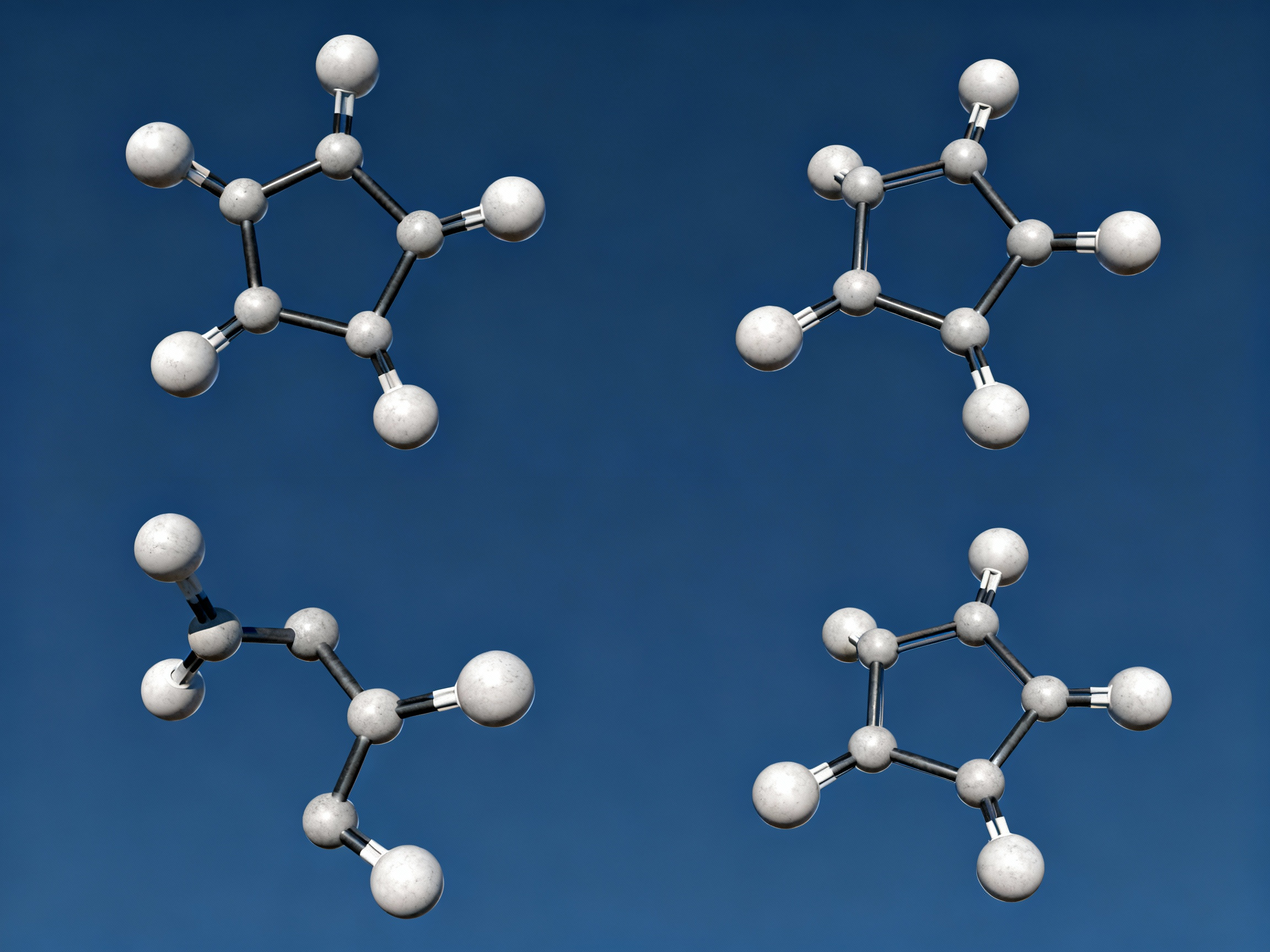
Beta and Gamma Isomer Nuances
Beta- and gamma-terpineol are typically present in lower concentrations. Beta-terpineol contributes a woody note, while gamma-terpineol adds citrusy undertones. In industrial synthesis from turpentine, managing the ratios of these minor isomers is crucial for maintaining consistent batch-to-batch density and refractive index.
Functional Applications in Electronics and Industrial Formulations
Beyond their chemical structure, the specific terpineol terpene effects—such as high solvency power, controlled volatility, and surface tension reduction—make this mixture indispensable in high-tech manufacturing.
Critical Role in Electronic Pastes
For the photovoltaics and electronics industry, high-purity terpineol serves as the primary organic vehicle for conductive silver and aluminum pastes. Its high boiling point ensures that the solvent does not evaporate prematurely during screen printing, allowing for precise line definition. The solvent’s viscosity characteristics help regulate the thixotropy of the paste, ensuring it flows under squeegee pressure but holds its shape once deposited.
Eco-Friendly Solvency in Coatings
As environmental regulations tighten, terpineol oil is increasingly used as a sustainable alternative to petrochemical solvents in industrial coatings and inks. Its slow evaporation rate promotes better leveling and flow in enamels, preventing defects like orange peel. Furthermore, its ability to wet pigments effectively allows for higher color strength in glass ceramic inks. The natural terpineol terpene effects also include intrinsic bacteriostatic properties, which can enhance the shelf-life stability of water-based formulations by inhibiting microbial growth without aggressive preservatives.
Premium Terpineol Series from Linxingpinechem
Linxingpinechem (Linxing Pine Chemicals) leverages decades of expertise in deep-processing turpentine to deliver high-performance terpineol solutions tailored for the global market.
Supply Chain Stability and Capacity
Operating with a robust production capacity of 3,000 tons annually, Linxingpinechem ensures a stable supply of terpineol for large-scale industrial requirements. The facility is strategically located in China’s prime rosin and turpentine production area, guaranteeing access to high-quality renewable raw materials and minimizing carbon footprint through localized sourcing.

Technical Specifications and Versatility
The Linxingpinechem terpineol series is engineered for versatility, meeting strict specifications for density (0.9±0.1 g/cm³) and refractive index (1.483).
Fragrance Grade: Celebrated for its delightful lilac scent, ideal for perfumes, soaps, and detergents.
Electronic & Industrial Grade: Functions as a superior solvent for glassware colors, electronic pastes, and eco-friendly pesticides.
Packaging: Securely supplied in 200L or 235L galvanized iron barrels (175kg/190kg net weight) to ensure safety during global transit.
For procurement managers seeking a reliable partner, Linxingpinechem combines advanced synthesis technology with rigorous quality control to provide terpineol that enhances product performance and sustainability.
Conslusion
Selecting the right commercial terpineol grade requires a deep understanding of isomer ratios, purity specifications, and the specific terpineol terpene effects desired for your final product. Whether you need high-purity alpha-terpineol for electronic pastes or a cost-effective solvent for industrial coatings, partnering with a specialized manufacturer ensures consistent quality and supply chain stability.