

The global fragrance industry operates at a fascinating intersection of artistry and rigorous organic chemistry. As formulators seek stable base notes for their creations, the demand for high-quality synthetic foundations continues to grow. At our production facilities, we recognize that creating a memorable scent profile requires building blocks offering both olfactory depth and chemical stability.
For decades, woody notes have provided the grounding structure for successful commercial fragrances. Achieving consistency at an industrial scale, however, demands more than basic botanical extraction. By refining raw byproducts into sophisticated aromatic compounds, we provide the sector with reliable tools for innovation. A prime example begins with foundational materials like rectified turpentine, which serves as a critical precursor in synthesizing advanced scent molecules. Through careful processing, these raw inputs transform into the highly valued components perfumers rely upon to construct complex fragrances.
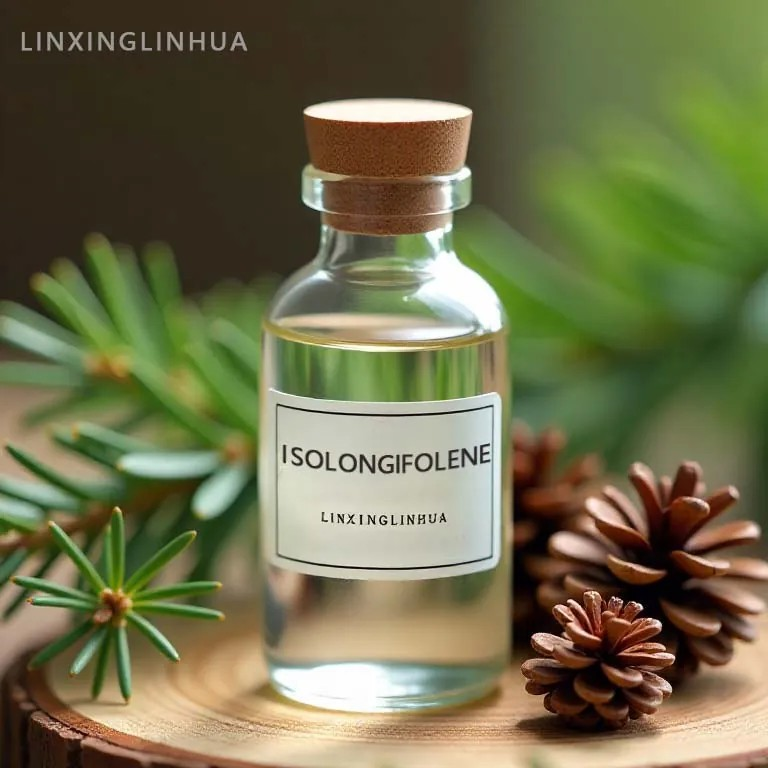
The Role of Isolongifolene in Contemporary Perfumery
Transitioning from raw precursors to specialized aromatic compounds requires sophisticated chemical intervention. Within our portfolio, the catalytic isomerisation of longifolene results in a highly-valued derivative recognized for its specific chemical activity and enchanting woody aroma. This functions as a fundamental material for synthetic perfumes, offering a stable scent profile that formulators build upon.
When we develop these bases, our focus remains on providing a consistent olfactory experience. The distinct woody character enriches various products, acting as an anchor supporting lighter top notes. For businesses in the chemical sector, access to such a versatile compound simplifies the formulation process. It allows chemists to predictably replicate successful profiles across product batches, mitigating variations frequently found in less refined natural extracts.
Rigorous Technical Specifications for Industrial Applications
Delivering materials for industrial-scale fragrance production means adhering to strict technical parameters. We carefully monitor the physical and chemical properties of isolongifolene to meet the precise requirements of our commercial partners. With a molecular formula of C15H24 and a molecular weight of 204.35, this compound presents as a colorless and transparent oily liquid. We maintain color standards at less than No. 70 platinum-cobalt colorimetric units, supporting the visual clarity of the final products it enters. Its relative density (D204) is tightly controlled between 0.927 and 0.935, while the refractive index (N20) ranges predictably from 1.4940 to 1.5000.
Recognizing that different applications demand varying levels of concentration, we offer this compound in multiple purity grades (GC), specifically 80%, 85%, and 90%. By providing accurate specifications, we help procurement teams select the appropriate grade for their manufacturing needs, reducing trial and error during product development.
Optimized Packaging, Storage, and Global Transport
The integrity of specialized aroma chemicals relies heavily on proper handling and storage practices. We implement rigorous packaging standards to safeguard the aromatic qualities and chemical properties of our products during transit. Our standard procedure utilizes brand-new 200L or 235L galvanized iron barrels, accommodating net weights of 185kg or 210kg respectively. This industrial-grade packaging mitigates the risk of contamination and provides a robust barrier against environmental factors.
For optimal preservation, we advise clients to store these barrels in a cool, dry, and well-ventilated environment away from direct sunlight. During the logistical phase, we apply stringent safeguards against potential water ingress and harsh physical impacts. By establishing comprehensive handling protocols, we assist partners in maintaining the material’s structural integrity until it reaches their compounding vats.
Addressing Stability in Synthetic Fragrance Creation
Modern commercial perfumery frequently faces the challenge of maintaining scent stability over extended shelf lives. When developing cosmetics or ambient scent products, the base notes must resist degradation and retain their intended character. By integrating sophisticated terpene derivatives into their formulas, chemists gain a robust structural foundation. The distinct chemical activity of these derivatives allows them to interact favorably with other synthetic and natural ingredients, promoting an enduring and well-rounded olfactory experience.
We continually refine our catalytic isomerisation techniques to yield materials that meet these demanding stability criteria. This dedication to process improvement directly supports our clients in their mission to deliver long-lasting consumer goods. As the market shifts toward scalable aromatic solutions, the reliance on advanced, reliably synthesized woody notes will undoubtedly expand.
Partnering for Future Olfactory Development
Looking ahead, the global demand for high-quality, stable aroma chemicals will continue shaping the trajectory of the modern fragrance sector. Our commitment to rigorous production standards positions us as a supportive ally for businesses navigating these industry shifts. By consistently refining our processing techniques and expanding our understanding of aromatic compounds, we aim to provide formulators with the chemical tools they need to succeed in a competitive landscape.
Whether developing an experimental fine fragrance or a broad-market personal care product, having a dependable supply of foundational materials is vital for scaling operations. We invite you to explore how Linxingpinechem supports commercial innovation through our specialized catalog of synthetic and natural aroma chemicals. By leveraging advanced manufacturing processes, we can build the robust, appealing scent profiles together that will define the next generation of consumer products.