

Harvesting botanical resins requires deep technical expertise to transform raw pine exudates into high-value industrial solvents. Understanding the origin of these materials involves examining living pine forests and complex biochemical extraction techniques.
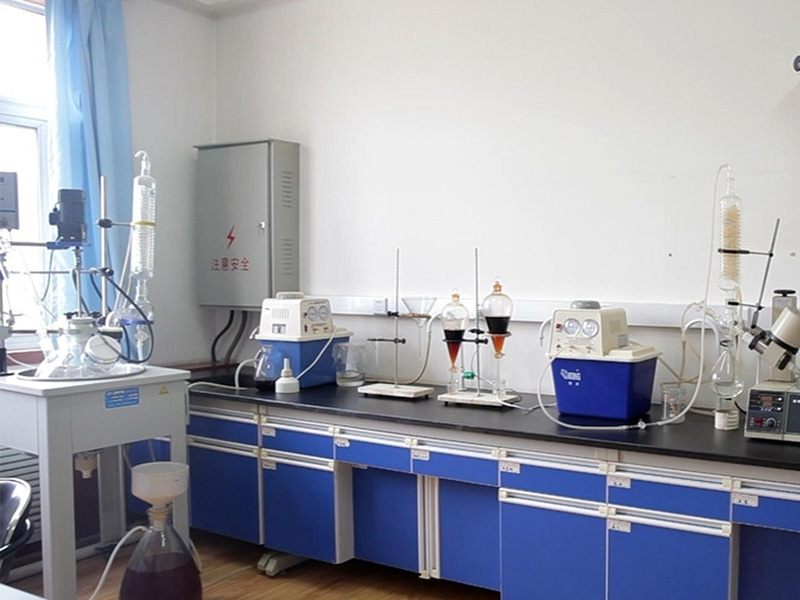
As a reliable manufacturer, we extract natural turpentine to deliver consistent, high-purity fractions for global markets. Procurement specialists look for reliable processing methods that preserve the inherent integrity of volatile compounds. We at Linxingpinechem utilize advanced separation technology to convert raw biomass into exceptional chemical raw materials.
Crude oleoresin represents a complex organic mixture secreted by specific coniferous tree species worldwide. This viscous fluid acts as a natural defense mechanism protecting injured bark against insect infestations. The volatile fraction extracted from this oleoresin yields Gum Turpentine, which serves as a versatile industrial solvent.
Botanists classify the fluid into two primary fractions consisting of volatile monoterpenes and non-volatile diterpene acids. Pinpoint laboratory analysis reveals a rich composition of alpha-pinene and beta-pinene hydrocarbons within the liquid matrix.
Origins and Chemical Definition of Crude Pine Oleoresin
Extracting these valuable components requires careful handling to prevent structural degradation before industrial processing begins. Raw exudates must remain free from excessive moisture and foreign debris prior to entering distillation units.
Industrial formulators rely on uncompromised raw materials to maintain exact reactivity profiles across commercial production runs. Standardized feedstocks ensure downstream chemical derivatives meet rigorous international quality control standards without unexpected operational failures.
Natural resin compositions vary depending on regional soil chemistry, climate conditions, and specific pine tree species. Assessing these botanical variations helps chemists anticipate behavioral shifts during large-scale industrial processing cycles.
Unprocessed pine extracts contain trace moisture and organic debris that require immediate filtration before thermal treatment. Establishing baseline purity parameters protects downstream equipment from fouling and corrosion during continuous operations.
Gathering raw resin demands precise forestry management practices that protect the long-term health of pine plantations. Skilled workers score the outer bark using specialized tools to stimulate continuous oleoresin flow safely.
Modern extraction protocols minimize tree trauma while maximizing annual yield efficiency across managed forest ecosystems. Responsible sourcing practices can support longer-term raw-material availability, although supply remains affected by forestry conditions, weather and market demand.
Sustainable Tapping Methods and Harvest Workflows
Field protocols dictate that collection vessels remain sealed tightly during transport to prevent environmental contamination. Local weather patterns heavily influence resin viscosity, requiring adaptive scheduling from field harvesting teams.
Maintaining close collaboration with local foresters ensures ethical land stewardship alongside steady commercial production volumes. Traceability programs track every harvest lot from forest blocks straight to our processing facility.
Collected exudates are swiftly transported to regional processing facilities to prevent premature evaporation of volatile fractions. Managing temperature during transit preserves the delicate chemical balance required for optimal fractional separation later.
Field operators monitor collection containers closely to ensure absolute cleanliness throughout the harvesting season. Strict oversight at the source establishes a solid foundation for premium product manufacturing.
Refining crude oleoresin involves passing live steam through the viscous fluid inside large industrial boilers. High temperatures vaporize volatile monoterpene fractions, carrying them upward into condenser cooling columns.
Condensation transforms the vapor back into liquid form, yielding pristine Gum Turpentine. Meanwhile, molten diterpene rosin remains securely at the bottom of the distillation vessel.
Precision Steam Distillation and Refining Operations
Precise thermal regulation prevents thermal cracking and preserves the desired optical rotation of the distillate. Multi-stage fractional distillation columns further purify the raw liquid to eliminate trace sulfur compounds entirely.
Industrial operators monitor boiling points continuously to ensure strict adherence to required commercial specifications. At Linxingpinechem, we operate state-of-the-art distillation units designed to maximize yield efficiency and purity.
Thermal optimization during steam distillation directly dictates the final odor profile and color clarity of the distillate. Advanced cooling systems ensure rapid condensation of vaporized monoterpenes without exposing them to prolonged heat stress.
Refiners measure refractive index values at frequent intervals to verify separation efficiency in real time. Maintaining strict operational parameters prevents undesirable thermal degradation products from contaminating the final product stream.
Distilled monoterpene fractions serve as vital chemical intermediates for manufacturing synthetic fragrance ingredients and polymers. Chemical synthesis pathways utilize these purified hydrocarbons to build complex fragrance molecules and specialized resins.
End-users across coatings and pharmaceutical sectors depend on the unique solvent power of natural turpentine. Consistent supply availability enables continuous operation for manufacturing plants worldwide.
Industrial Utility and Value-Chain Applications
Formulators in the adhesive and fragrance sectors rely on these monocyclic hydrocarbons for superior solvency and reactivity. Modern chemical synthesis routes convert primary pinene isolates into advanced perfumery intermediates and specialized tackifying resins.
Regulatory compliance standards require comprehensive documentation detailing trace constituent profiles for every commercial batch distributed globally. Industrial buyers evaluate safety data sheets carefully to ensure complete alignment with regional environmental legislation.
Quality assurance laboratories test every production batch using advanced gas chromatography instrumentation. Analytical verification confirms that refractive index values and specific gravity measurements match strict industry baselines.
We at Linxingpinechem maintain rigorous testing protocols to ensure absolute reliability for global buyers. Superior material performance stems from meticulous attention to detail during every processing stage.
Transforming raw pine oleoresin into high-purity industrial solvents requires sophisticated engineering and deep botanical knowledge. Careful harvesting combined with precise steam distillation unlocks the full chemical potential of coniferous tree extracts. Industrial formulators achieve optimal results by partnering with experienced manufacturers committed to sustainable practices. Selecting verified chemical fractions guarantees long-term performance and stability across demanding global supply networks.