

When formulators ask us whether plant-based extracts are truly safe for human skin, we examine underlying molecular stability rather than relying on marketing generalizations. We know that botanical aromatics offer wonderful sensory benefits, but preventing contact dermatitis requires rigorous analytical control and precise fractional distillation technology.
Our technical teams frequently evaluate how raw botanical ingredients interact with sensitive skin barriers during daily wear conditions. We find that crude plant extracts and purified isolates present different compositional and stability considerations, and both require application-specific safety assessment.
Addressing Skin Sensitivity Concerns in Botanical Extracts
Dermatological reviews consistently show that unrefined plant extracts carry elevated sensitization risks for reactive skin types globally. In our laboratories, we observe that complex essential oils harbor hundreds of trace components that accelerate rapid degradation pathways.
Crude mixtures break down much faster than standardized, single-molecule fractions under standard environmental exposure conditions and heat. We advise manufacturing partners to scrutinize raw material data sheets before blending botanical ingredients into sensitive skin emulsions.
Regulatory bodies require transparent labeling whenever potential allergens exceed strict concentration limits in finished consumer goods. By eliminating unknown trace impurities, we help our corporate clients protect allergic end-users from unexpected adverse dermal flare-ups.
Historical case studies indicate that natural botanical extracts require stringent oversight to prevent adverse skin reactions. Uncontrolled plant mixtures introduce volatile variables that challenge quality assurance teams across competitive global personal care markets every single day.
Professional toxicologists examine these degradation pathways to establish safe upper limits for daily leave-on cosmetics. Ensuring consumer confidence requires transparent communication regarding raw material origins and processing methodologies.
How We Control Oxidation and Hydroperoxide Formation
Chemical degradation transforms benign terpene structures into potent skin sensitizers over extended storage timeframes in warehouses. When ambient air interacts with open containers, free radical reactions break double bonds within cyclic carbon rings.
We identify hydroperoxides as primary oxidation byproducts responsible for adverse dermatological reactions during direct consumer application. To combat this instability, we enforce strict environmental controls throughout our processing and packaging phases.
Unrefined raw materials create severe operational risks for brands developing daily wear facial cosmetics and moisturizing lotions. Photolytic breakdown accelerates contact allergen formation whenever retail packaging admits sunlight or ambient heat during transport.
Purified chemical fractions can provide a more defined composition, but their stability must still be managed through suitable packaging, storage and formulation controls. Maintaining rigorous thermal management preserves baseline integrity across every commercial shipment we dispatch globally to industrial clients.
Temperature fluctuations further accelerate oxidative degradation pathways in unrefined botanical blends stored improperly in warehouses. Supply chain managers must enforce rigorous storage protocols to prevent premature molecular spoilage before processing occurs.
Industrial refiners utilize nitrogen blanketing during bulk storage to exclude oxygen and prevent peroxide accumulation. Such measures can help reduce oxygen exposure during bulk storage and transportation.
Enhancing Dermal Tolerance Through High-Purity Isolates
Standardized botanical fractions provide a dependable solution for mitigating unwanted skin sensitization risks during product creation. By removing extraneous waxes, resins, and photo-sensitizing impurities, we eliminate unpredictable formulation variables from consumer goods.
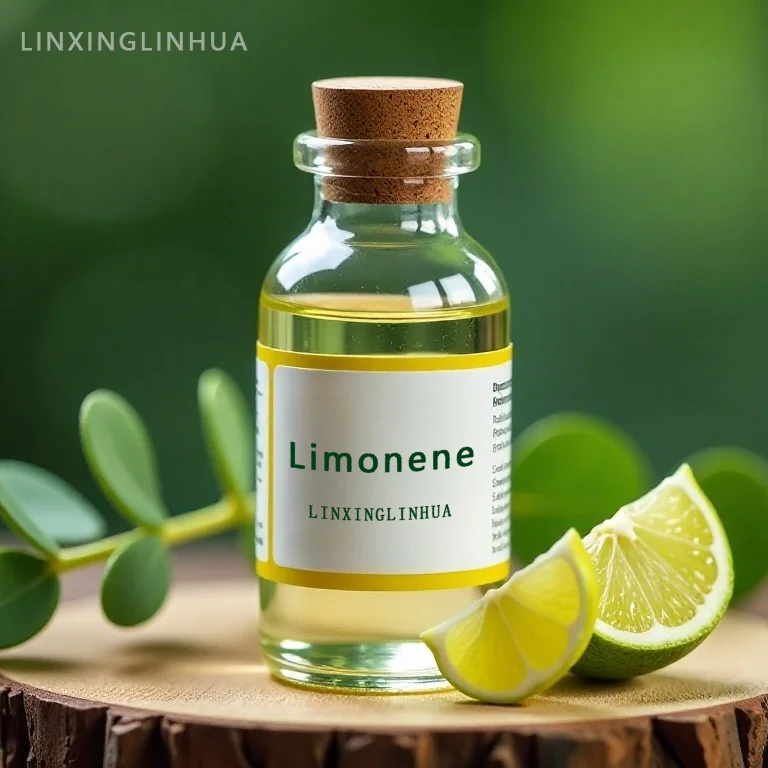
Our production plants utilize advanced fractionation technology to isolate stable aromatic components safely for the market. Specifically, we supply L-Limonene with a defined product specification, while appropriate storage and oxidation control remain important throughout handling and formulation.
A defined specification supports consistent formulation work, but dermal safety must be assessed in the finished cosmetic product at its intended concentration. We at Linxingpinechem operate dedicated purification units designed to meet the rigorous demands of modern cosmetic manufacturers.
Advanced separation techniques remove reactive components that cause premature spoilage in finished retail emulsions. L-Limonene can provide citrus notes, but formulators must control oxidation, concentration and applicable allergen-labelling requirements.
Analytical testing protocols verify that every batch meets stringent purity metrics before leaving our warehouse facilities. Independent verification protects formulators from inferior-grade substitutions during large-scale commercial procurement cycles.
Our Formulation Standards for Safe Cosmetic Production
Cosmetic chemists rely on our expertise when designing protective delivery systems for sensitive personal care goods. We recommend incorporating antioxidant stabilizers to retard degradation during extended consumer use cycles.
Selecting robust chemical intermediates prevents unexpected viscosity shifts and color changes in complex emulsions. Engineering stable formulas requires deep knowledge of raw material interactions under varying environmental stress factors.
Brand owners seeking a reliable natural fragrance for cosmetics partner directly with our technical support divisions. We provide comprehensive traceability documents verifying that our botanical outputs comply with international safety legislation.
At Linxingpinechem, we ensure every commercial batch meets strict regulatory guidelines for safety and purity. Reliable sourcing protects consumers while maintaining exceptional sensory properties in finished retail goods.
Regulatory compliance frameworks demand comprehensive toxicological data for all ingredients entering global commerce channels. Our transparent supply networks empower product developers to create safe personal care goods consistently and efficiently.
Continuous auditing procedures reinforce our commitment to quality assurance across all international export channels. Industrial partners trust our proven track record in delivering consistent botanical ingredients year-round.
Integrating verified natural fragrance for cosmetics helps brands satisfy growing consumer demand safely and sustainably. We maintain unwavering dedication to safety and excellence across all operational product lines.