

Have you ever wondered what gives certain spices their warm, citrus-like undertone or helps perfumes maintain a clean, distinctive dry-down? Behind many of these everyday sensory experiences lies a remarkable molecule: paracymene. As a team dedicated to high-purity aroma ingredients, we often highlight this compound as a cornerstone of versatile formulation. But what exactly is paracymene, and why does it matter so deeply in chemical synthesis? Let us break down its origins, properties, and role across multiple industries.
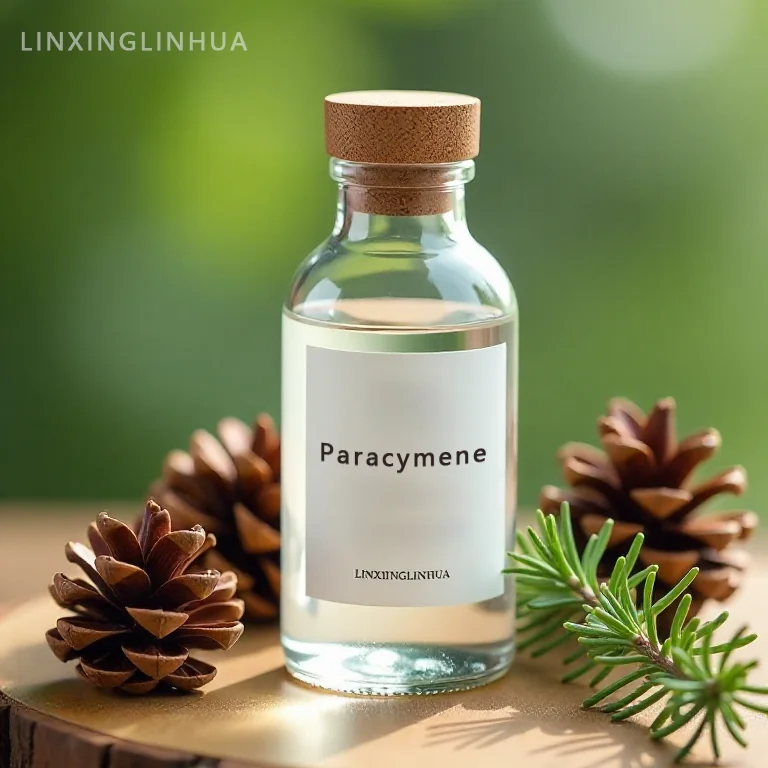
Defining Paracymene: From Dipentene to a Distinctive Aroma
Paracymene—also known as p-Cymene—is a naturally occurring aromatic hydrocarbon belonging to the terpene family. In its pure synthetic form, it delivers a robust, distinctive aroma that bridges the gap between fresh citrus, subtle wood, and mild spice. What makes our paracymene particularly valuable is its origin: it is meticulously derived from dipentene through a series of highly controlled chemical reactions. This process ensures not only a high degree of purity but also batch-to-batch consistency.
As a fragrance compound, paracymene possesses moderate volatility, allowing it to linger pleasantly without overwhelming other notes. Chemically, its structure features a benzene ring substituted with an isopropyl and a methyl group—a simple arrangement that grants remarkable stability. This stability makes paracymene an ideal building block in organic synthesis, where it often serves as a precursor or an intermediate for more complex molecules.
The Role of Paracymene as a Fragrance Compound in Everyday Products
One of the most immediate applications of paracymene lies in consumer goods. Because it acts as an effective fragrance compound, it adds depth and appeal to perfumes, soaps, detergents, and cosmetic products. Unlike some sharp synthetics, paracymene provides a subtle yet distinctive warmth that rounds out floral, herbal, and woody accords. In laundry detergents, for example, it helps maintain a clean scent profile even after rinsing. In cosmetics, it contributes to a sensory experience that feels both natural and refined.
Beyond personal care, this same fragrance compound plays a vital role in edible spices. The unique aromatic essence of p-cymene serves to enhance the flavor profile of numerous culinary spices and seasonings. Think of thyme, cumin, or oregano—paracymene is a natural contributor to their characteristic notes. When used in flavor formulations, it helps create more flavorful and aromatic food products without introducing artificial off-notes.
Paracymene in Chemical Synthesis and Pharmaceuticals
Moving beyond fragrance, paracymene proves its versatility in chemical synthesis. It can be oxidized to produce p-cresol or hydroperoxides, or hydrogenated to yield saturated derivatives. These reactions open doors to solvents, disinfectants, and polymer additives. The pharmaceutical industry, in particular, has recognized significant value in paracymene. It finds use in a range of medicinal applications—from topical antiseptics to respiratory preparations—becoming a crucial ingredient in numerous pharmaceutical formulations. Its antimicrobial and anti-inflammatory properties make it a research-backed choice for modern drug development.
Why Trust a Specialist for Your Paracymene Supply
Understanding the science is one thing; sourcing a reliable, high-purity paracymene is another. At Linxingpinechem, we take pride in producing this versatile fragrance compound with rigorous quality control at every reaction step. From its derivation from dipentene to its final application in soaps, spices, or syntheses, we ensure consistency that you can build your formulations around. Whether you are developing a new perfume or a pharmaceutical intermediate, let us be your trusted partner in turning chemistry into value.