

The modern fragrance and personal care industries are undergoing a massive transformation, driven by consumer demand for environmentally responsible formulations and increasingly stringent global regulatory standards. As traditional petrochemical solvents face intense scrutiny, bio-based alternatives are securing the future of the manufacturing sector. Historically, achieving bright, effervescent top notes relied heavily on petroleum derivatives, which carry a significant carbon footprint. Our Alpha-Terpinene is manufactured through a synthetic conversion route using turpentine-derived feedstock. Among the most critical components for constructing these vibrant, plant-based scent pyramids is alpha terpinene, a highly reactive cyclic monoterpene that provides an authentic, refreshing olfactory experience. Mastering the integration of this renewable molecule is essential for formulators tasked with developing green household cleaners, premium cosmetics, and fine perfumes without sacrificing aromatic intensity or thermodynamic stability.
The Chemistry of Renewable Monoterpenes
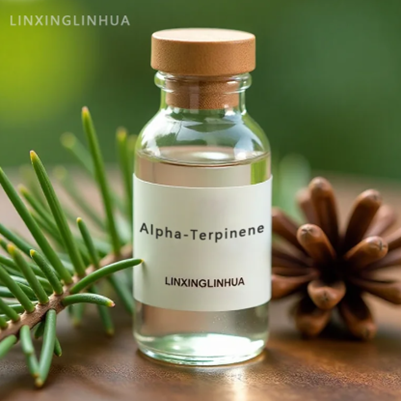
Developing an ecologically sound fragrance begins with selecting raw materials synthesized through dedicated green chemistry pathways. Pine-derived monoterpenes can provide formulators with an additional feedstock option for developing citrus, herbal, and fresh fragrance profiles. Alpha-Terpinene is manufactured through a synthetic conversion route using turpentine-derived feedstock and may be used in fragrance, personal care, and household product formulations. Alpha-terpinene, scientifically represented by the exact molecular formula C10H16 and boasting a molecular weight of 136.23 g/mol, is officially registered under CAS NO. 99-86-5. In its purest industrial form, it presents as a colorless to pale yellow mobile liquid. Its fundamental structure is characterized by two conjugated double bonds within a six-membered carbon ring, making it a highly dynamic chemical intermediate. This specific structural geometry is exactly what allows the molecule to interact so effectively with human olfactory receptors, delivering the sharp, lemony freshness that defines premium natural extracts.
Building a Lasting and Vibrant Scent Architecture
The primary challenge when engineering environmentally friendly top notes is managing chemical volatility across various commercial applications, from heavy-duty detergents to delicate skin lotions. Natural monoterpenes possess relatively low boiling points, typically ranging from 173ºC to 175ºC . When applied to the skin or dispersed into the ambient air, they evaporate rapidly, providing an immediate but fleeting sensory burst. To construct a stable, prolonged citrus note that survives well beyond the initial application phase, formulators must strategically anchor these volatile molecules. This is achieved through careful blending with heavier sesquiterpenes, sophisticated woody isolates, or specialized botanical fixatives. By creating a synergistic matrix where the lighter monoterpenes are physically trapped and released gradually, chemists can help extend the perceived persistence of the citrus profile. Furthermore, balancing these sharp, acidic profiles with subtle floral or herbaceous modifiers rounds out the harsh edges, resulting in a multidimensional olfactory experience that remains consistent over the product’s entire shelf life.
Managing Oxidation and Preserving Chemical Integrity
While the conjugated diene structure of this cyclic monoterpene provides exceptional aromatic qualities, it also introduces significant chemical vulnerabilities during large-scale manufacturing. The molecule is notoriously susceptible to rapid auto-oxidation when exposed to atmospheric oxygen, elevated ambient temperatures, or ultraviolet radiation. When oxidation occurs, the compound degrades into unwanted secondary byproducts, fundamentally altering its aroma from a crisp lemon-like scent to a harsh, off-putting, or distinctly solvent-like odor. Therefore, rigorous quality control and specialized handling protocols are absolutely non-negotiable for industrial compounding. Formulation laboratories must continuously audit inbound batches, verifying that the physical indices remain within exact parameters: a relative density typically between 0.8340 and 0.8420 g/cm3 at 20°C, and a precise refractive index ranging from 1.4750 to 1.4800. To prevent degradation on the factory floor, manufacturers must utilize closed-loop processing systems and immediately introduce approved organic antioxidants into the bulk liquid matrix.
Industrial Storage and Specialized Packaging Protocols
Maintaining the pristine condition of these volatile organic compounds requires a highly specialized logistical infrastructure. Beyond adding chemical antioxidants, the physical shipping environment must be meticulously controlled by the supplier. Industrial-grade global shipments must be packaged in highly durable, brand-new galvanized iron drums, strictly sealed to prevent any atmospheric exchange. Standardized net capacities of 175 kg or 190kg are generally employed to optimize maritime shipping safety and comply with international hazardous materials regulations. We recommend storing the sealed containers in a cool, dry place away from direct sunlight. During transportation, the drums should be protected from water ingress, contamination heat, and severe impact, following the current SDS and applicable transport requirements to help maintain product quality during delivery.
Securing a Resilient and Transparent Supply Chain
Ultimately, the commercial success and aromatic consistency of a sustainable fragrance line depend entirely upon the structural reliability and technical expertise of the upstream chemical partner. Brands face increasing regulatory scrutiny regarding the origins of their raw materials, demanding complete transparency from forest extraction to molecular refinement. Sourcing teams must prioritize vertically integrated suppliers who manage their own processing facilities near natural pine reserves. This minimizes the carbon footprint associated with inland transportation while ensuring continuous access to fresh, high-yield feedstocks. A distinguished leader in this highly specialized sector is Linxingpinechem, an enterprise renowned for its sophisticated fractional distillation technology and deep expertise in pine chemistry. By partnering with advanced manufacturing facilities capable of producing rigorously tested, high-purity natural isolates, corporate procurement teams can reliably scale their eco-friendly product lines. This strategic alignment buffers formulations against unpredictable supply shocks while successfully meeting the ever-evolving demands of the environmentally conscious global consumer market.