

In the dynamic global flavor and fragrance landscape, securing a resilient and high-quality supply of raw materials is vital for commercial success. Brands producing personal care products, cosmetics, fine fragrances, and household cleansers meet expectations for consistent sensory performance and compliance with applicable safety requirements. China has emerged as a premier hub for sourcing these vital compounds, offering vast manufacturing capabilities, advanced processing technologies, and cost efficiencies. However, navigating this extensive market to find a supplier that combines scientific excellence with absolute reliability can be challenging for international procurement teams. In the modern formulation industry, the demand for consistent, high-purity synthetic aroma chemicals is higher than ever, forcing sourcing managers to establish strict criteria for selecting their chemical partners. This guide details how to identify, evaluate, and collaborate with a qualified supplier in China to support a more resilient supply chain.
Verifying Raw Material Sourcing and Upstream Supply Security
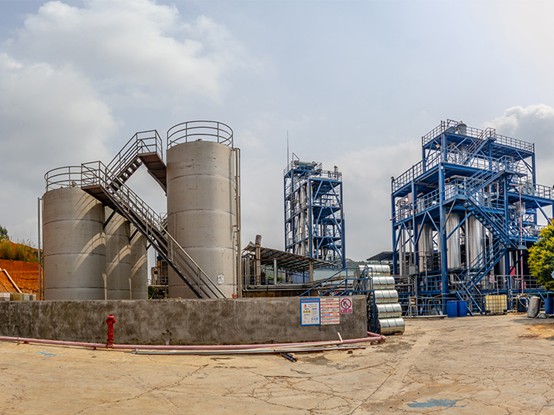
When evaluating a chemical manufacturer in China, the first point of inspection must be their raw material supply security. Many synthetic compounds used in the fragrance sector are derived from natural pine chemistry, specifically turpentine and gum rosin. Proximity to pine chemical production areas may reduce inland transport time and cost, but buyers should also evaluate capacity, inventory, quality control, and delivery performance. Sourcing managers should prioritize companies situated within regional agricultural or chemical manufacturing corridors, where raw pine oleoresin is harvested and processed. Furthermore, true technical expertise lies in a supplier’s ability to refine these raw materials. The best chemical partners utilize advanced distillation and chemical synthesis technologies to process turpentine into high-value specialty ingredients. Sourcing partners should possess dedicated research and development teams and hold national or regional patents, demonstrating an ongoing commitment to manufacturing innovation. These technical capabilities can support compositional consistency between batches, subject to defined specifications and quality-control procedures.
Evaluating Synthetic Aroma Chemicals: Key Quality Metrics
When sourcing synthetic fragrances, technical specifications represent the ultimate dividing line between a standard supplier and an elite manufacturing partner. Procurement teams should never rely solely on marketing claims; instead, they must demand comprehensive Technical Data Sheets (TDS), Material Safety Data Sheets (MSDS), and Certificate of Analysis (COA) documents for every product batch. These documents must highlight precise chemical profiles verified through Gas Chromatography (GC) analysis.
For instance, when evaluating a common citrus-based ingredient like L-Limonene (CAS NO. 5989-54-8), a reliable supplier will provide a strict specifications range. The compound should present as a colorless to orange-yellow transparent liquid with a characteristic lemon-like odor, a purity (GC) of at least 95%, a relative density between 0.838 and 0.880, and a refractive index ranging from 1.471 to 1.480. Similarly, for compounds like Alpha-Terpinene (CAS NO. 99-86-5), which is widely synthesized from turpentine to deliver a fresh citrusy aroma, the purity must consistently meet minimum thresholds of 90% or 95%. Other performance-critical materials, such as Isolongifolene (CAS NO. 1135-66-6), should also be evaluated against the required purity, odor profile, and physical specifications. By analyzing these specific chemical indices, buyers can ensure they are partnering with a manufacturer capable of producing stable, low-impurity compounds.
Evaluating Industrial Logistics, Storage, and Packaging Integrity
Beyond chemical purity, a supplier’s operational capability is reflected in their packaging, storage, and logistics standards. Sourcing fragrance ingredients internationally requires robust packaging designed to withstand long ocean transits and temperature fluctuations without degrading the active compounds. Drum size and net weight vary by product, so buyers should confirm the packaging specification in the quotation and shipping documents.
Furthermore, storage protocols are critical for volatile aroma chemicals. Storage conditions should follow the product SDS and supplier instructions, including protection from heat, direct sunlight, moisture, and incompatible materials. Sourcing teams should audit how a potential supplier handles sensitive or hazardous substances, such as P-Menthane Hydroperoxide. An elite supplier will provide comprehensive handling guidelines, clear labeling, and robust logistical tracking to ensure the cargo arrives safely, securely, and fully compliant with international chemical transport regulations.
Aligning with an Industry-Leading Chinese Scent Ingredient Manufacturer
At Linxingpinechem, we manufacture and supply pine-derived aroma chemicals for customers in multiple downstream industries. Established in 1998, we have spent decades perfecting the synthesis of high-grade pine chemical derivatives. Strategically located in the Baishi Industrial Development Zone in Yunan District, Yunfu City, Guangdong Province, we sit at the heart of China’s major gum rosin and turpentine production regions. This location may support access to pine chemical feedstocks and reduce some inland transport requirements.
Rather than diluting its focus across unrelated chemical fields, the company concentrates deeply on turpentine processing, enabling it to deliver exceptional, high-purity ingredients to global flavor, fragrance, pharmaceutical, and coating industries. With an experienced R&D team, quality assurance procedures, and relevant industry recognition, the company combines production experience, laboratory testing, and quality-control capabilities. When looking to build a robust, future-proof scent ingredient supply chain, buyers should confirm suitability through specifications, samples, and batch documentation.