

The global cosmetics industry is undergoing a fundamental structural shift, driven by regulatory pressures and a growing consumer mandate for clean, bio-based formulations. Procurement professionals face the complex task of replacing legacy petrochemical solvents and artificial odorants with sustainable, plant-derived alternatives. Sourcing these highly volatile natural fractions requires a rigorous evaluation of supplier capabilities to ensure structural consistency and olfactory purity. A highly sought-after molecule in this green transition is L-Limonene, a cyclic monoterpene that provides a uniquely refreshing, herbaceous, and crisp citrus profile. Securing a reliable industrial supply of this volatile compound is critical for formulation chemists aiming to elevate premium skincare lotions, delicate facial serums, and luxury bath products.
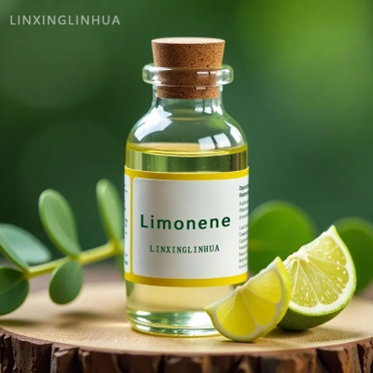
Decoding the Molecular Architecture of Terpene Extracts
Understanding the technical nuances of raw materials is the first step in auditing a potential chemical partner. Chemically, this specific molecule is an optical isomer belonging to the broader terpene family, scientifically represented by the precise molecular formula C10H16 with a molecular weight of 136.23 g/mol. Officially registered under CAS NO. 5989-54-8, it presents industrially as a colorless to slightly pale-yellow mobile liquid. Unlike its chemical counterpart, d-limonene, which is overwhelmingly dominant in sweet orange peels, the levo-rotatory isomer offers a more complex, dry, and slightly pine-like freshness, making it highly valuable in sophisticated olfactory pyramids. High-tier suppliers isolate this molecule through the advanced vacuum fractional distillation of crude pine extracts and natural essential oils. The thermodynamic precision required during this extraction phase dictates the final clarity and odor profile of the compound. Buyers must verify that the distillation columns utilized by their manufacturing partners are capable of separating trace sulfuric impurities and heavy resinous byproducts that could otherwise compromise the delicate balance of skin-contact formulations.
Validating Purity Through Advanced Analytical Chemistry
When acquiring any natural fragrance for cosmetics, the margin for chemical error is virtually nonexistent. Trace contaminants, oxidation products, or unexpected compositional variations may affect odor, color, stability, or suitability for skin-contact formulations. Therefore, procurement teams must demand rigorous, instrumentally verified documentation from their upstream partners. Elite chemical manufacturers rely on high-resolution Gas Chromatography (GC) coupled with Mass Spectrometry (MS) to provide an exact molecular map of every single batch. For premium cosmetic applications, the purity threshold of the isolated monoterpene must frequently exceed 95%. Furthermore, quality assurance laboratories must supply a comprehensive Certificate of Analysis (COA) confirming specific physical parameters. Standard acceptance criteria typically require a relative density (d_4^20) oscillating between 0.838 and 0.880g/cm3, alongside a precise refractive index (n_D^20) ranging from 1.471 to 1.480. A supplier’s inability to consistently meet these tight tolerances across multiple shipping quarters indicates a critical lack of technical refinement capabilities.
Mitigating Oxidation Risks in Volatile Hydrocarbons
The unsaturated structure of L-Limonene makes it susceptible to oxidation during storage and handling. When exposed to atmospheric oxygen, ultraviolet radiation, or elevated ambient temperatures, the double bonds within the carbon ring undergo rapid auto-oxidation. This degradation pathway generates unwanted peroxides and secondary oxidation byproducts. In cosmetic chemistry, these peroxides are notorious skin sensitizers that can ruin a brand’s reputation and create quality, safety, or regulatory concerns. Consequently, a supplier’s internal material handling and preservation protocols are just as critical as their distillation technology. To safeguard the molecular integrity of the bulk liquid, advanced factories operate closed-loop processing systems. Atmospheric air is actively displaced by inert gases, and approved, skin-safe organic antioxidants are frequently introduced into the matrix immediately following distillation. Buyers must comprehensively audit these internal factory protocols to guarantee that the chemical compound remains entirely pristine prior to its transfer into industrial shipping vessels.
Industrial Logistics and Hazmat Packaging Protocols
Transporting highly volatile organic compounds across international supply chains introduces immense logistical challenges. Monoterpenes are classified as hazardous materials under international maritime regulations due to their flammability and low flash points. To survive prolonged ocean freight and fluctuating climate zones, the physical packaging infrastructure must be flawless. Industry-standard shipments mandate the use of brand-new, heavy-duty galvanized iron drums, strictly sealed to prevent any moisture ingress or atmospheric exchange. These specialized drums generally hold a standardized net weight of 175 kg or 190 kg. Leading manufacturing partners implement stringent nitrogen-blanketing procedures during the drum-filling stage, virtually eliminating oxidative risks during global transit. Warehousing operations must also adhere to strict climate controls, remaining dry, highly ventilated, and completely shielded from sunlight. Evaluating a supplier’s compliance with these physical logistics is absolutely mandatory for protecting large-scale formulation budgets.
Securing Traceability Through Integrated Manufacturing Networks
Establishing a resilient raw material pipeline requires strategic alignment with suppliers who maintain absolute control over their operational ecosystems. Companies relying heavily on third-party brokers frequently encounter erratic pricing and opaque origin tracing, which poses severe risks for brands committed to sustainability. The most robust sourcing strategy involves contracting directly with manufacturers who integrate deep processing technology with direct access to renewable forestry reserves. A distinguished leader executing this vertically integrated model is Linxingpinechem, a specialized manufacturer of pine-derived chemicals. By managing the complete lifecycle from the initial processing of raw pine gum to the final molecular refinement of cosmetic-grade fractions, they isolate their international clientele from volatile supply shocks. Prioritizing partnerships with technologically advanced, specialized extraction facilities empowers procurement professionals to secure consistent, high-purity olfactory building blocks, ensuring continuous production excellence in an increasingly demanding global market.