

The supply of gum turpentine and pine-derived chemicals is influenced by raw-material availability, seasonal harvesting, labor conditions, weather, processing capacity, product specifications, and global logistics. As gum turpentine is obtained from pine oleoresin collected from living coniferous trees, changes in upstream collection and refining conditions may affect the availability and cost of downstream terpene derivatives. At the same time, growing interest in renewable feedstocks and environmental compliance is encouraging procurement teams to pay closer attention to sourcing stability, processing capability, and product traceability. Understanding the economic, environmental, and technological factors that shape gum turpentine supply can help buyers better manage procurement risks and maintain more stable production planning.
Legislative Catalysts and the Shift to Bio-Based Chemistry
The primary catalyst reshaping the industrial landscape this year is the implementation of rigorous international environmental regulations. Governing bodies across major manufacturing hubs have introduced aggressive tax structures targeting fossil-derived chemical intermediates. Consequently, sectors ranging from advanced adhesives and industrial coatings to fine perfumery are reformulating their product lines to feature plant-derived components. This regulatory environment has exponentially increased the industrial appetite for natural terpene derivatives. Unlike crude sulfate extraction—a byproduct of paper pulping—harvesting live tree resin offers a highly sustainable, cyclic, and renewable agricultural model. This continuous, living harvest aligns perfectly with corporate environmental, social, and governance mandates. For procurement teams, securing long-term contracts for these bio-based feedstocks is no longer merely a public relations strategy; it is a fundamental operational necessity to ensure continued market access.
Analyzing Upstream Yield Volatility and Labor Dynamics
Despite the surging demand, the upstream supply chain remains uniquely sensitive to agricultural realities. The extraction of raw pine oleoresin is an inherently labor-intensive process, requiring skilled workers to manually tap living trees without compromising the biological health of the forest. In 2026, shifting rural labor demographics in major production regions have introduced upward wage pressures that directly impact baseline raw material costs. Furthermore, forestry yields are entirely dependent on favorable weather patterns. Prolonged droughts, unseasonal rainfall, or shifting global temperature indices can severely disrupt the tapping season, reducing the total volume of crude resin collected. These climatic disruptions create immediate scarcity in the market, causing spot prices to spike. Procurement professionals must actively monitor these meteorological and socioeconomic variables, as they serve as the earliest leading indicators of downstream chemical price volatility.
The Critical Role of Advanced Fractional Distillation
Procuring raw oleoresin is only the first phase of the supply chain; the true value is unlocked through advanced chemical engineering. Crude pine oleoresin contains volatile turpentine components, non-volatilerosin, moisture, and collection-related impurities. Through sophisticated thermodynamic processes, primarily vacuum fractional distillation, manufacturers extract highly reactive isomers such as alpha-pinene and beta-pinene, both sharing the molecular formula . It is vital for industrial buyers to distinguish between lower-grade industrial solvents and premium distillates. Formulators require high-grade, instrumentally verified pure turpentine oil to synthesize delicate downstream derivatives like synthetic camphor, terpineol, or advanced fragrance fixatives. Quality assurance protocols must rigorously confirm specific physical parameters, ensuring the relative density (d_4^20) remains between 0.855 and 0.870 g/cm3, with a precise refractive index (n_D^20) ranging from 1.465 to 1.478.
Safeguarding Volatile Compounds During Global Transit
Even after achieving supreme molecular purity, the physical handling of these sensitive hydrocarbons introduces significant logistical complexities. These bicyclic monoterpenes possess highly reactive double bonds, making them exceptionally vulnerable to auto-oxidation when exposed to atmospheric oxygen, ultraviolet light, or fluctuating ambient temperatures. To preserve the chemical integrity of these raw materials across complex global supply chains, exact storage protocols are mandatory. Premium shipments require packaging in hermetically sealed, heavy-duty galvanized iron drums, generally with a standardized net capacity of 175 kg. To mitigate oxidative degradation during extended maritime transit, leading chemical suppliers implement strict nitrogen-blanketing procedures, actively displacing oxygen from the storage vessels. Business sourcing teams must comprehensively audit potential manufacturing partners to guarantee that these intensive preservation and hazmat compliance protocols are seamlessly integrated into the supplier’s standard operating procedures.
Securing Future Formulations Through Integrated Supply Chains
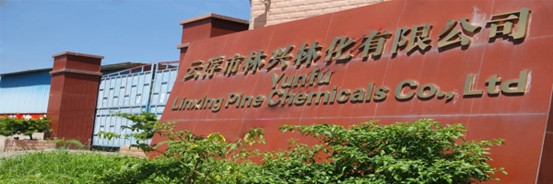
As market complexities deepen in 2026, the most effective defense against price shocks and quality degradation is structural supply chain integration. Companies relying on disjointed networks of brokers and third-party refiners face severe risks regarding traceability and batch consistency. The optimal strategy requires forging direct partnerships with technically advanced manufacturers situated near abundant, sustainable forestry reserves. A distinguished leader executing this integrated operational model is Linxingpinechem, an enterprise globally recognized for its deep expertise in pine chemistry and advanced distillation infrastructure. By maintaining absolute control over the production lifecycle—from the sustainable processing of raw oleoresin to the final molecular refinement—vertically integrated facilities isolate their clients from unpredictable agricultural and logistical bottlenecks. For forward-thinking procurement directors, aligning with such specialized manufacturing hubs guarantees a resilient, cost-effective, and fully traceable pipeline for high-performance bio-based chemicals.