

When sourcing terpineol oil for fragrance, flavor, or industrial applications, even experienced buyers can fall into recurring traps. As a dedicated supplier of pine-derived chemicals, we have witnessed how seemingly small oversights lead to product inconsistencies, supply chain delays, and hidden costs. Understanding these common mistakes—and how to sidestep them—is essential for protecting your formulations and your bottom line.
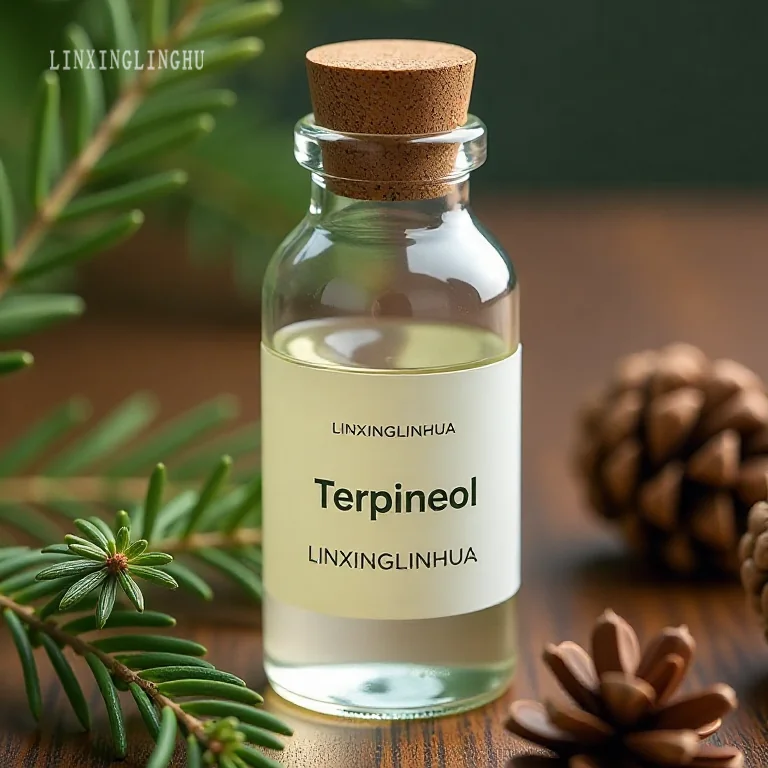
Mistake #1: Ignoring Purity and Source Traceability
One of the most frequent errors is prioritizing price over verified purity and source transparency. Many buyers assume all grades of terpineol oil are interchangeable, but significant differences exist between turpentine-derived terpineol and synthetic alternatives. Without traceability to the original pine source, you risk receiving material with inconsistent isomer profiles or residual solvents that affect fragrance stability and performance. Furthermore, low-purity a terpineol can introduce off-notes, reduce solubility in deodorants or inks, and even compromise efficacy in pesticide or medicinal applications.
How to avoid it: Always request detailed specifications, including gas chromatography (GC) analysis. Partner with a supplier that sources terpineol oil from renewable turpentine—like we do at Linxingpinechem—and provides batch-specific documentation. Verify that the a terpineol content meets your required threshold (typically above 95% for fragrance-grade material). Never hesitate to audit production and storage facilities to confirm contamination-free handling.
Mistake #2: Overlooking Packaging and Storage Conditions
Another common oversight involves packaging and long-term storage. Terpineol is sensitive to heat, direct sunlight, and oxidative degradation. Using substandard drums or neglecting ventilation during transit can lead to water ingress, color shift, or loss of the characteristic lilac scent. Some buyers also fail to plan for inventory rotation, allowing drums of terpineol oil to sit in hot warehouses for months, which degrades both aroma and solvent performance.
How to avoid it: Specify new galvanized iron barrels (200L or 235L) with secure seals. Store a terpineol indoors in a cool, dry, well-ventilated area away from fire sources and extreme heat. At Linxingpinechem, we ensure every shipment is packed to prevent contamination or collision damage. We also advise clients to adopt first-in-first-out (FIFO) inventory practices and request smaller, more frequent deliveries if storage conditions are less than ideal.
Final Takeaways: Building a Resilient Supply Chain
Sourcing terpineol oil and a terpineol does not have to be a gamble. By prioritizing purity verification, demanding source traceability, and enforcing proper packaging and storage protocols, you eliminate the majority of common failures. A reliable supply chain begins with a supplier that understands both chemistry and logistics.
At Linxingpinechem, we combine decades of turpentine manufacturing experience with a commitment to transparency. From our terpineol for fragrance used in luxury perfumes and soaps to industrial grades for plastics, inks, and glassware color solvents, every batch is tested for consistency and safety. We recommend that you review your current sourcing checklist—and when quality matters most, let us be your trusted partner in pine chemicals.