

As a business supplier deeply rooted in the chemistry of scent, we often encounter questions about the building blocks behind modern fragrances. Among the most powerful tools in our industry are synthetic aroma chemicals—engineered compounds that replicate or enhance natural scents with remarkable precision. But what exactly are they, and how do they come to life in a manufacturing setting? Let us walk you through the essentials.
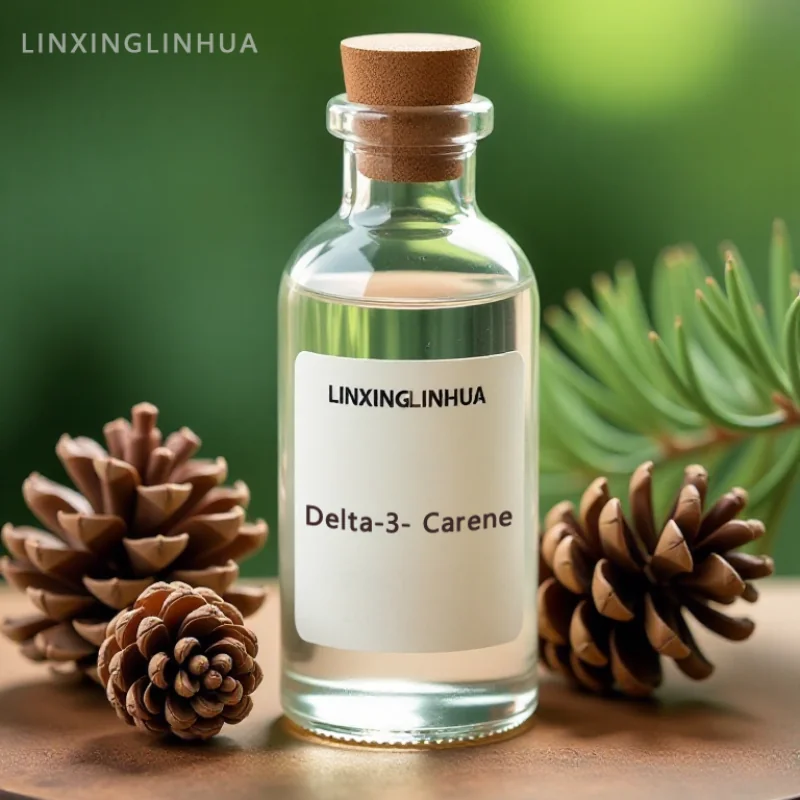
Defining Synthetic Aroma Chemicals: More Than Imitations
When we speak of synthetic aroma chemicals, we refer to single, well-defined organic molecules created through chemical synthesis rather than extracted from natural sources. Unlike essential oils—which can contain hundreds of compounds—each synthetic aroma chemical delivers a predictable, repeatable scent profile. This consistency is invaluable for large-scale product development, from fine perfumery to household cleaners.
What makes these compounds so effective? Their high volatility allows them to disperse evenly, ensuring that a fragrance unfolds in layers over time. Moreover, synthetic aroma chemicals offer formulators the freedom to craft scents that are either identical to nature or entirely novel. Whether you need a crisp citrus note that never varies or a marine accord impossible to extract from the sea, these chemicals provide the solution.
How Are Synthetic Aroma Chemicals Produced?
The production of synthetic aroma chemicals typically follows one of two routes: semi-synthesis or total synthesis. Semi-synthesis starts with a natural raw material—such as turpentine-derived terpenes, an area where our expertise at Linxingpinechem shines—and chemically modifies it into a new aromatic compound. Total synthesis, on the other hand, builds the molecule from basic petrochemical or coal-derived feedstocks.
The actual process involves several key steps:
- Raw material selection – Depending on the target molecule, we may start with pinene, limonene, or simpler aromatic hydrocarbons.
- Chemical reactions – Common reactions include esterification (creating fruity notes), oxidation (producing aldehydes for floral scents), and hydrogenation (modifying intensity).
- Purification – Through distillation, crystallization, or chromatography, the desired aroma chemical is isolated to >98% purity.
- Quality control – Gas chromatography and olfactory testing ensure batch-to-batch consistency.
To further understand the molecular precision behind these ingredients, explore our comprehensive guide on what are synthetic aroma chemicals and their essential role in modern fragrance formulation.
For example, a synthetic violet leaf aldehyde might be produced via controlled oxidation of a fatty acid derivative. Every step is tightly monitored to guarantee that the final synthetic aroma chemical performs reliably in your formulations—be it skincare, haircare, or fine fragrances.
Why Industry Relies on Synthetic Aroma Chemicals
Beyond cost-effectiveness, synthetic aroma chemicals offer creative freedom and supply security. Natural extracts vary with weather, harvest yields, and geopolitics; synthetics do not. They also allow us to infuse pure, stable aromas into products that face heat, light, or pH extremes—conditions that would degrade natural oils. This versatility is why you will find these chemicals in everything from luxury candles to industrial air care.
Partnering for Scent Solutions That Perform
We hope this overview clarifies the science and value behind synthetic aroma chemicals. As Linxingpinechem, we do more than supply these essential ingredients—we also offer diverse flavour chemicals for wholesale, alongside our core expertise as a gum rosin supplier and turpentine manufacturer. Our dedication to quality has earned us a global client base across personal care, home fragrance, and flavour sectors. Whether you need custom scents or reliable bulk supply, we invite you to explore how our pine chemistry heritage can support your next formulation. Let us be your trusted partner in turning chemistry into character.