

When we talk about the building blocks of natural pine scents, few molecules command as much attention as delta 3 carene. This bicyclic monoterpene stands out not only for its vibrant aroma but also for its clear position within organic chemistry classifications. As a supplier dedicated to high-purity terpenes, we often receive questions about where delta 3 carene fits among other aromatic compounds. So let us walk through its classification, what makes it unique, and why its pine fragrance matters across multiple industries.
Chemical Classification: Where Does Delta 3 Carene Belong?
To understand delta 3 carene, we first look at its chemical family. It is a bicyclic monoterpene—meaning it contains two fused rings and a molecular formula of C₁₀H₁₆. Within the terpene universe, monoterpenes are divided into acyclic, monocyclic, and bicyclic groups. Delta 3 carene falls squarely into the bicyclic category, alongside well-known compounds like pinene and camphene. What distinguishes it from those relatives is the presence of a unique cyclopropane ring fused to a cyclohexene ring. This structural feature gives delta 3 carene its characteristic reactivity and stability.
From a natural products perspective, delta 3 carene is classified as a naturally occurring essential oil component. It is found abundantly in turpentine oils from various pine species, as well as in rosemary, cypress, and pepper oils. This natural origin explains why its pine fragrance feels both familiar and invigorating—it is a direct chemical signature of coniferous forests.
Olfactory Classification: The Signature Pine Fragrance
Beyond chemical taxonomy, delta 3 carene deserves attention for its sensory classification. Olfactively, it delivers a strong, fresh pine fragrance with subtle sweet and earthy undertones. Unlike alpha-pinene, which can be sharper and more camphoraceous, delta 3 carene offers a slightly rounder, almost citrus-tinged pine character. This makes it a prized ingredient in the flavor and fragrance industry.
We see delta 3 carene classified as a top-to-middle note in perfumery. Its volatility allows it to make an immediate impression, yet it lingers long enough to support heart notes. This same pine fragrance makes it a popular choice for food flavors—especially in pine-flavored confectionery or beverages seeking a natural, woodsy profile. As a raw material for synthetic flavorings, delta 3 carene also serves as a precursor to other aroma chemicals, broadening its versatility far beyond simple essential oil applications.
Industrial Classification Based on Applications
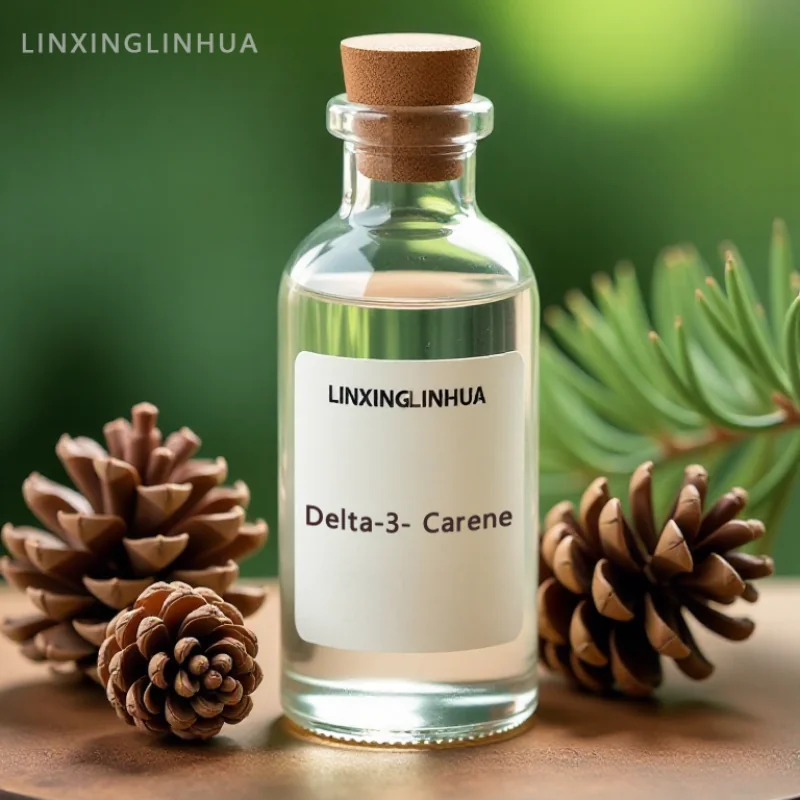
From a practical standpoint, we classify delta 3 carene by how industries use it. In cosmetic and personal care, it belongs to the category of natural essential oils that add a fresh, clean pine fragrance to soaps, lotions, and shampoos. In the pharmaceutical industry, it is classified as a bioactive natural compound, utilized in formulations for its potential anti-inflammatory and antimicrobial properties. Even the electronics industry has found specialized applications for delta 3 carene, where its purity and solvent characteristics meet niche technical requirements. With a minimum GC purity of 95% and a colorless, transparent liquid appearance, our delta 3 carene meets the highest classification standards for each of these sectors.
Sourcing Premium Delta 3 Carene for Your Formulations
Classification is more than an academic exercise—it guides how you select, handle, and formulate with delta 3 carene. At Linxingpinechem, we supply this remarkable terpene with verified purity and consistent pine fragrance intensity. Whether you need it for fine fragrances, pharmaceutical research, or personal care products, we deliver delta 3 carene that meets rigorous specifications. Let our expertise in pine chemistry become your competitive advantage. Trust us to be your partner in turning nature’s blueprint into industrial reality.